10 Ways to Sail in 5-Star Style While Paying Way Less than Everyone Else
Many travelers assume cruises are expensive, and they can be if you book without planning. In reality, passengers on the same ship often pay very different prices for a similar experience. The difference usually comes down to timing and strategy. Since cruises already bundle accommodation, meals, entertainment, and transport, a few smart booking choices can significantly reduce the cost. Here are 10 practical ways to do it.
Book During Wave Season
Credit: Canva
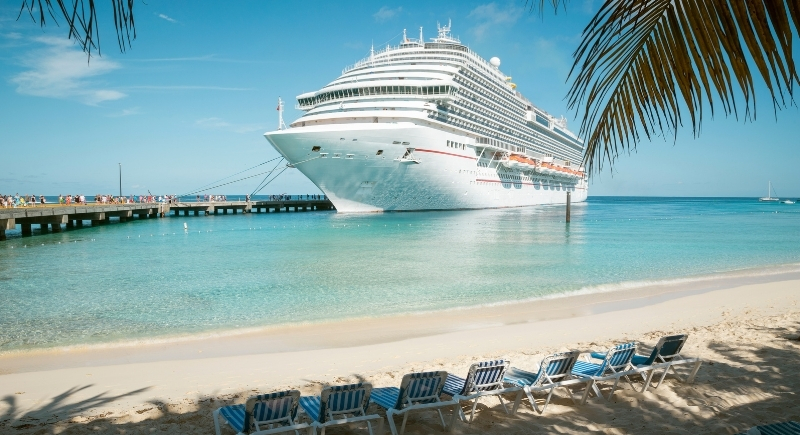
Cruise lines release many of their best deals between January and March, a period known as wave season. This happens because companies want to lock in bookings for the year as early as possible. Since several major lines promote their sailings at the same time, they compete for the same travelers. That competition often leads to lower fares, cabin upgrades, onboard credit, or free perks. Watching prices from late November can help you catch those offers early.
Go Inside
Credit: pexels
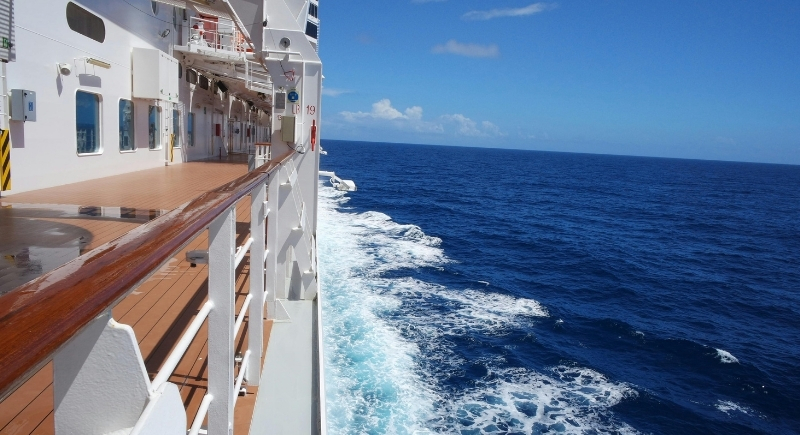
Balcony cabins usually cost much more than inside rooms, and the price difference can sometimes reach 100 percent depending on the ship and route. On trips packed with port stops, the cabin often serves mostly as a place to sleep and change. If you plan to spend most of the day exploring or enjoying the ship, the balcony may go unused. Choosing an inside cabin can free up money for experiences like specialty dining or a spa visit.
Sail Off-Peak
Credit: pixabay
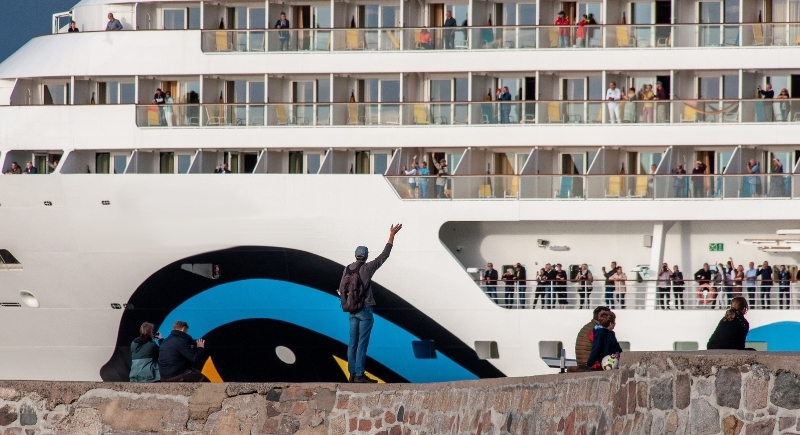
Traveling outside the busiest months often brings noticeably lower cruise prices. For example, the Mediterranean in April usually offers pleasant weather and lighter crowds before the summer rush begins. The Caribbean can also be cheaper in September, although this falls during hurricane season from June through November. Since storms can sometimes change itineraries, flexibility helps, and travel insurance is a sensible precaution during that time.
Use Norwegian’s Free at Sea
Credit: Wikimedia Commons
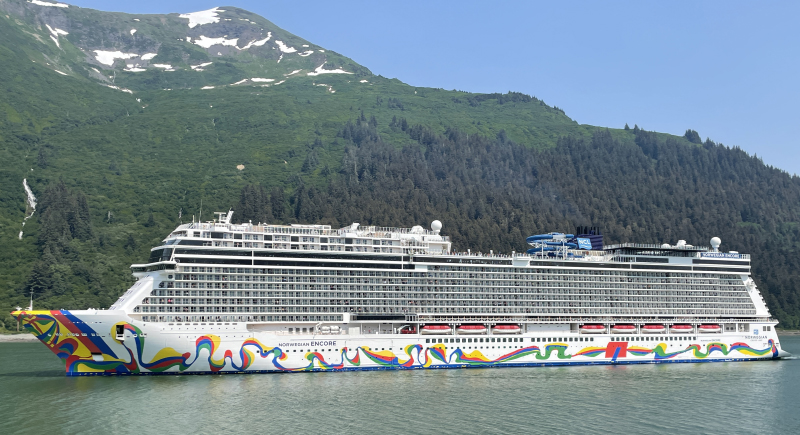
“Norwegian Cruise Line” runs one of the most generous bundled packages in the mainstream cruise world. The “Free at Sea” program, rebranded as “More At Sea,” bundles drinks, specialty dining, Wi-Fi, and shore excursion credits into the fare. NCL estimates the combined value at over $2,000 per stateroom. The $28.50 per person per day flat rate covers gratuities for the entire package.
Choose a Luxury Line That Already Includes Everything
Credit: Getty Images
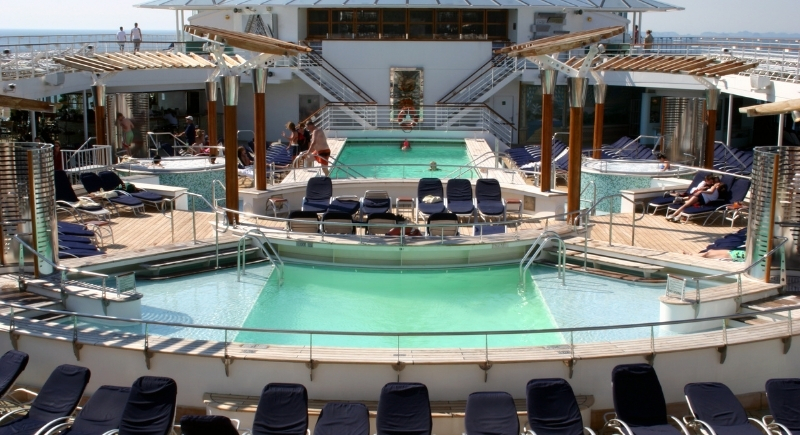
Luxury cruise lines look expensive until you make a line-by-line comparison. Viking includes one complimentary shore excursion at every port of call and Wi-Fi in its base fare, though bar drinks and gratuities are charged separately. Lines like Regent Seven Seas and Silversea go further by bundling drinks, gratuities, and excursions all into a single fare. The deals prove that a careful comparison can close the gap between a “budget” and a “premium” cruise.
Book Your Extras in Advance
Credit: Canva
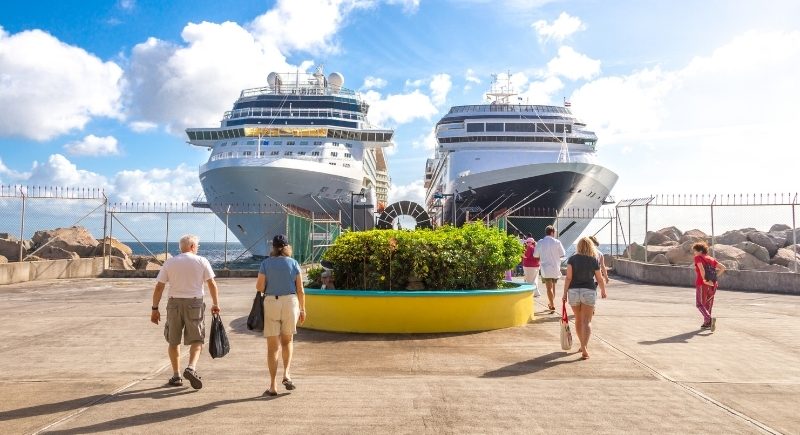
Many cruise lines sell add-ons before the trip through their online planners. Items like drink packages, specialty dining, and internet plans are often cheaper when booked before the ship sails. Prices usually increase once you are on board. Paying for these extras ahead of time also helps set a clear travel budget and avoids a large bill at the end of the cruise.
Skip the Ship’s Excursion and Book Independently
Credit: Canva
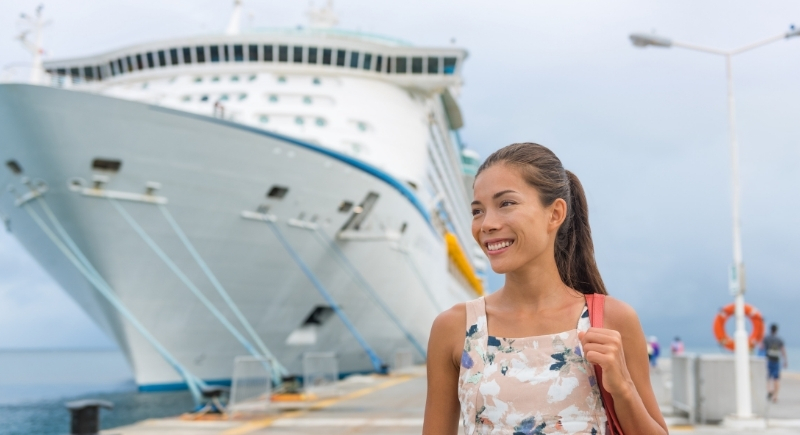
Platforms like Viator and GetYourGuide offer tours at many of the same ports, often at lower prices than cruise line excursions. While cruise lines sometimes use exclusive operators that third-party platforms cannot replicate, it’s still worth comparing options before booking. The key factor with independent tours is timing. If your excursion runs late and the ship departs, the cruise line is not required to wait. When booking outside the cruise line, make sure the schedule leaves plenty of time to return to the port before departure.
Join a Loyalty Program and Status Match
Credit: Getty Images
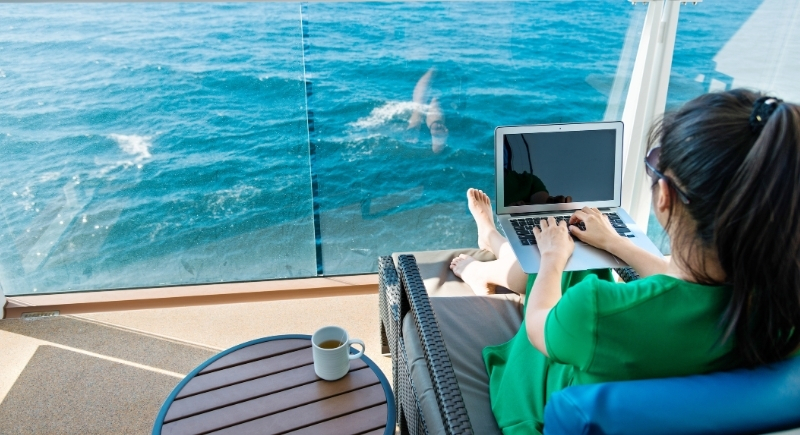
Many cruise lines reward repeat guests through loyalty programs, and some even match status from hotel programs. For example, MSC Cruises will match mid- to high-tier status from programs like Marriott, Hilton, or Hyatt. The application is free and available most of the year. Higher matched status can bring perks such as priority services or discounts, though the very top tiers still require sailing with the line.
Book a Repositioning Cruise
Credit: Canva
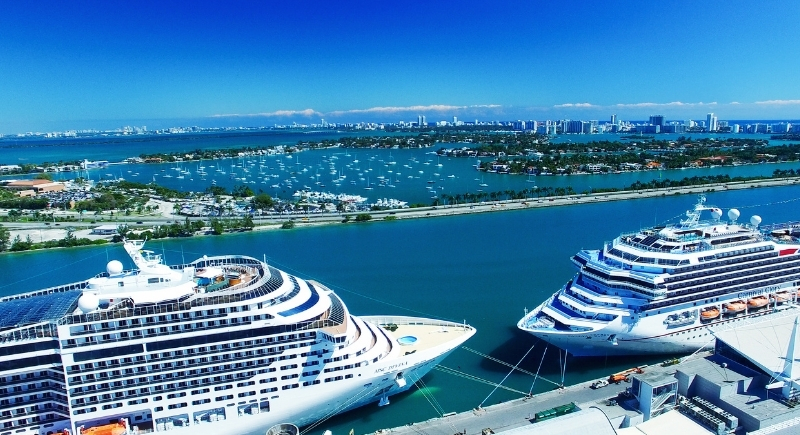
Twice a year, cruise ships relocate between sailing regions. Some Caribbean fleets head to Europe in the spring while Mediterranean ships cross back in the fall. To fill those transit cabins, cruise lines drop prices below what the same ship charges on a standard itinerary. The onboard experience remains the same, with one difference being that sea days outnumber port days, which some travelers prefer.
Use a Travel Agent

Credit: Canva
Most people assume that bypassing the middleperson saves money on a cruise. In practice, a good cruise travel agent often has access to negotiated group rates and gets notified about sales before they go public. Some agents even add onboard credit or small cabin gifts as a thank-you for the booking with them. The fee for all of this can be minimal because agents earn commission from the cruise line.