
Three small towns where one heritage rail line, one depot, and a few smart decisions turned weekend riders into overnight guests.
Cass, West Virginia: the whistle that fills every porch
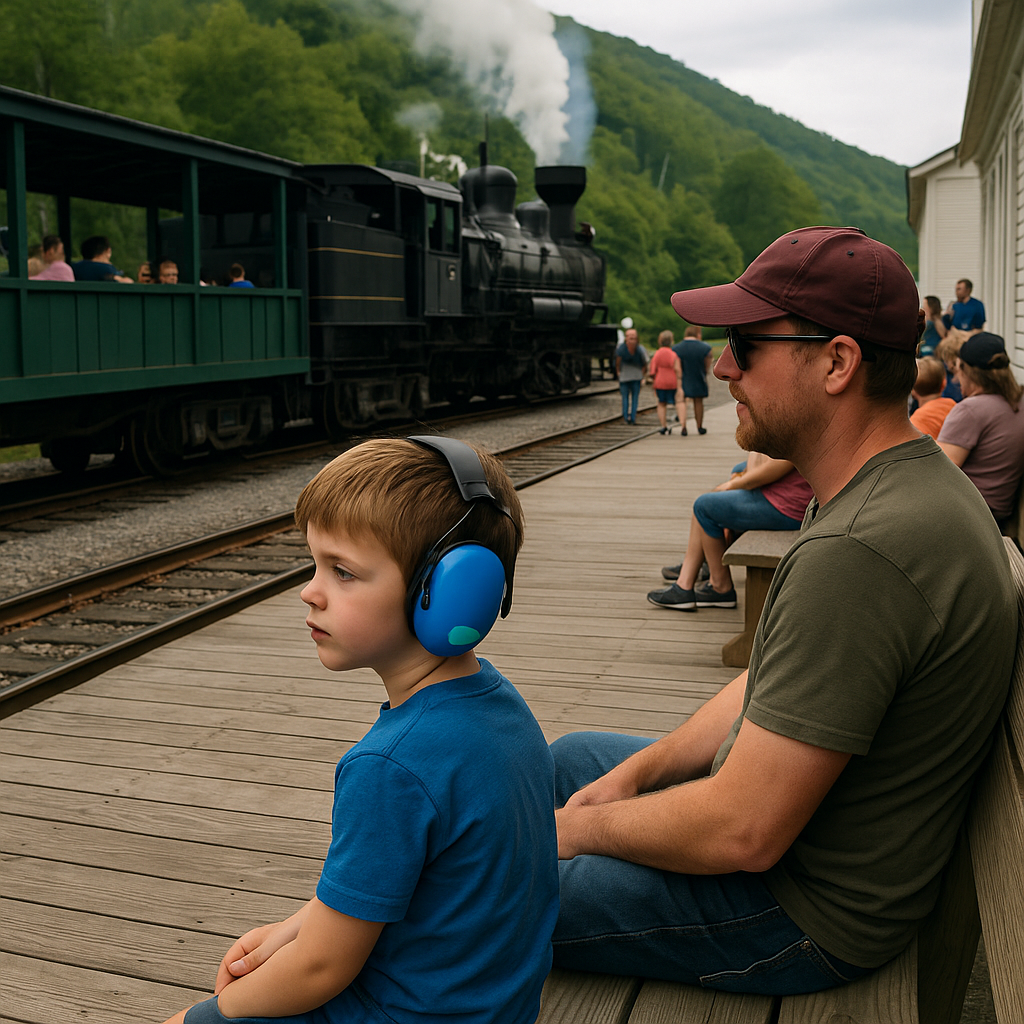
Cass used to be the kind of place you drove through with your hand already reaching for the turn-signal. Then the Cass Scenic Railroad turned the town into a destination you have to plan around. It starts with the shop talk: Shay locomotives, geared engines built for steep grades and logging spurs, not speed. You feel that difference the moment you board. The ride up to Bald Knob is slow enough that people stop checking their phones and start pointing out stump fields, old grades in the woods, and the way the valley opens and closes like a door. The train is the attraction, sure, but what changes the local economy is everything that clusters tightly around a predictable departure time.
On my last trip, the tell was the platform. Not fancy. Benches, a little museum energy, kids with foam ear protection, and a line at the snack counter that moved like an airport. When that whistle blows, the whole town flips into motion. The company store gets a second rush when the train returns. The bars know exactly when to staff up. The bike rack outside the general store isn't decoration. And the overnight piece matters here: Cass is remote enough that you don't do it as a casual add-on. People book cabins at Snowshoe, rent camp sites, or grab a room in Marlinton and treat the railroad like the anchor experience. Even if you never cared about trains before you arrived, the ride sells you a full schedule: departure, summit, return, dinner, sleep, and another stop the next morning because you're already out there. That's how a single rail line stops being nostalgia and starts acting like infrastructure.
Durango, Colorado: a day trip that won't stay a day trip
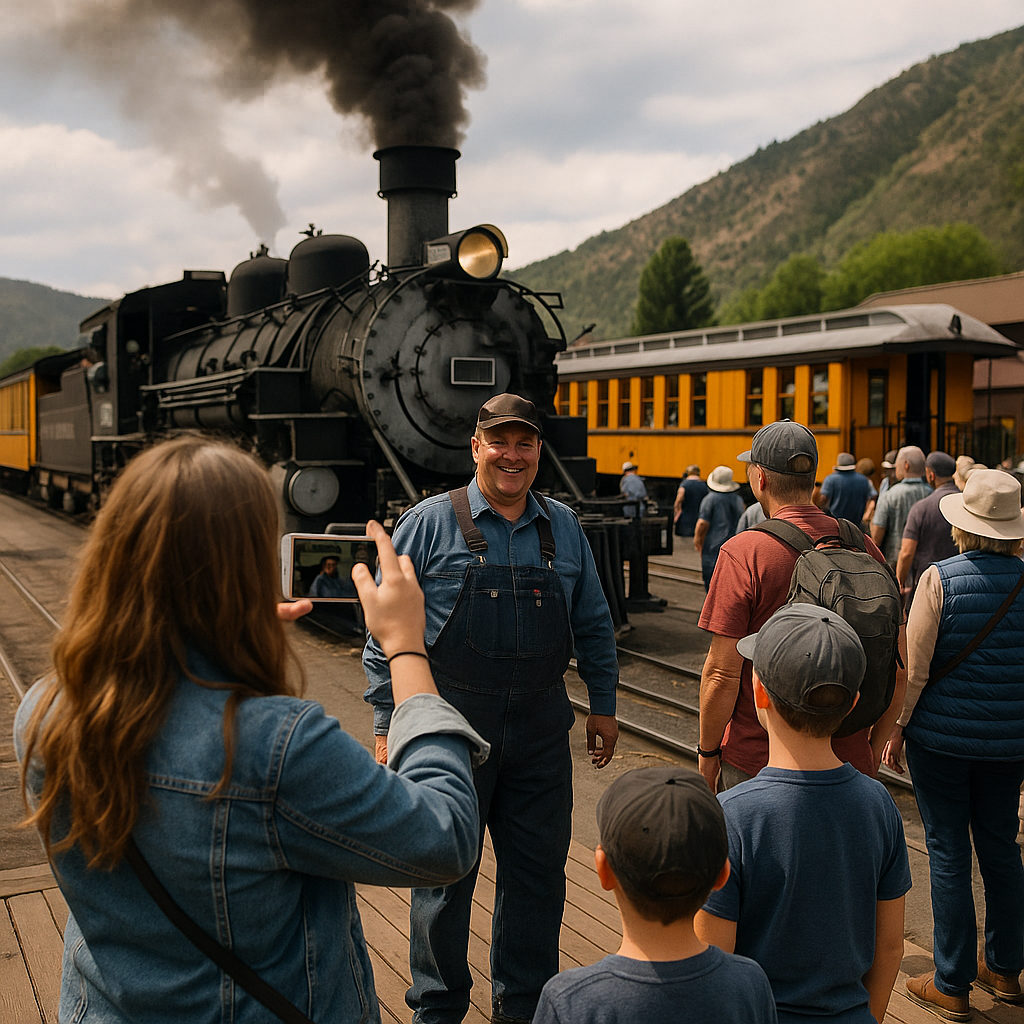
Durango's train isn't a museum piece tucked behind glass. It's a working, breathing schedule that rearranges the town around it. The Durango & Silverton Narrow Gauge Railroad has that rare tourist power: it looks like a single outing, but it drags a whole itinerary behind it. You come for the steam engine and the Animas River canyon, and then you realize the boarding process alone is an event. People show up early to watch the locomotive back down, to take photos with the crew, to figure out which side of the coach gives the best light through the canyon. By the time you settle into your seat, you've already spent money in town.
What transformed the local travel economy isn't just the scenery. It's the simplicity of the decision. You don't need a complicated plan, just a ticket and a morning alarm. Families who'd normally waffle between three activities commit to the train because it's concrete: a departure time, a return time, and a story they can retell at dinner. The ride itself is long enough that it claims the day, and that's the point. A claimed day forces overnights. Even the people who swear they're doing it in one shot end up browsing lodging because the return roll-in hits at that late-afternoon moment when driving another three hours sounds like self-sabotage.
In town, you can watch the ripple effect if you pay attention to the blocks closest to the depot. Coffee lines thicken in a predictable wave. Restaurants stop pretending they don't know what time the train gets back. Gift shops stock train-specific stuff instead of generic mountain souvenirs, and it works because riders want proof they did the thing. If you want to see the economic magic in miniature, look at the luggage. Visitors stash bags at hotels in the morning, ride all day, and come back to a room they've already paid for. That's not an abstract tourism statistic. It's a sidewalk full of rolling suitcases, and a town that built services around a narrow-gauge timetable.
Essex, Connecticut: the $5 station cookie that sells a whole river valley
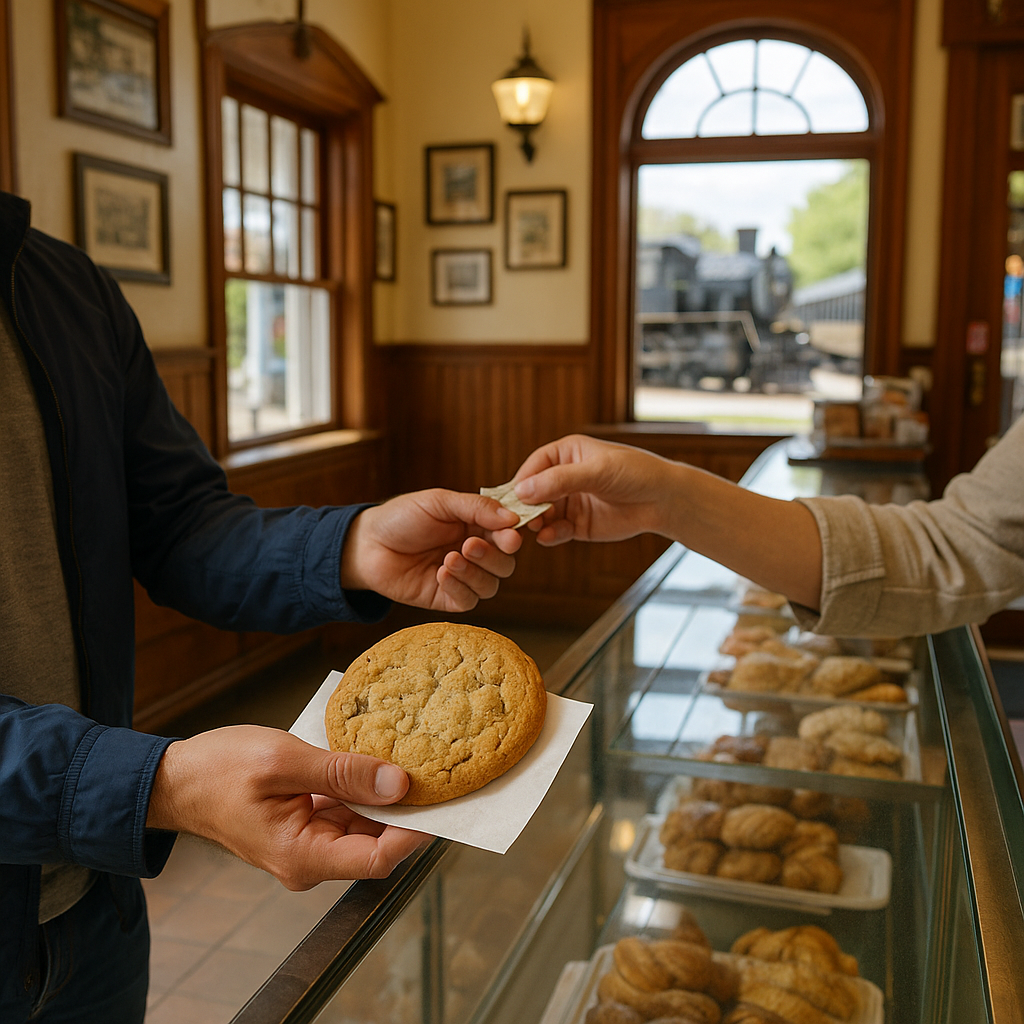
Essex is the opposite of a rugged, remote rail pilgrimage. It's polished New England, small streets, good signage, and a town center that already knows how to do weekends. The Essex Steam Train works here because it doesn't fight that identity. It leans into it. The depot feels like a place you're allowed to linger, and that matters more than people admit. I've watched parents promise their kids a snack after the ride and then end up buying themselves something, too, because the station shop makes it easy to say yes. On one visit, the thing that stuck with me was a $5 cookie at the counter. Not life-changing. Not huge. But it was a tiny purchase that turned waiting time into part of the experience instead of dead air.
That sounds minor until you look at how heritage railroads make money for a town. Not just ticket revenue, but the way they convert a two-hour curiosity into a full-day loop. Essex does this by stacking experiences without making you feel like you're being upsold. The steam train ride feels complete on its own, and then the riverboat connection turns it into a day where you need lunch, you want ice cream, and you're suddenly browsing shops you hadn't planned to enter. Visitors don't disperse. They circulate. That circulation is oxygen for a small downtown.
And because Essex is close to other shoreline stops, the train becomes a decision-making shortcut. People who don't want to plan an entire Connecticut weekend pick one anchor and then backfill around it: a dinner reservation, a B&B, maybe an extra morning walk along the river. The railroad gives the day a spine. The businesses just have to attach themselves to it: a late lunch menu timed to arrivals, a small museum with hours that match the schedule, a shopkeeper who keeps the door open a little longer because the last passengers are still wandering back from the platform. I've seen plenty of towns try to manufacture charm with signage and slogans. Essex didn't need that. It needed one dependable attraction that keeps depositing people onto the same few streets, ready to spend, and happy to be unhurried about it.