Costly Travel Mistakes to Avoid When Packing
Packing shapes the start of every trip, and the smallest choice in a suitcase can be a liability throughout the entire journey. Some missteps drain money, patience, or both at once. These are the mistakes that keep reappearing, yet still manage to surprise travelers who think they’ve packed smart.
Overpacking Clothes

Credit: Canva
Laying everything out and removing a third before packing keeps bags lighter, because airlines charge for weight, not intention. Checked bag limits typically cap at 50 pounds, and exceeding this limit can trigger fees of $50 to $100 USD per flight. Extra outfits can add up quickly, especially when it comes to denim and shoes.
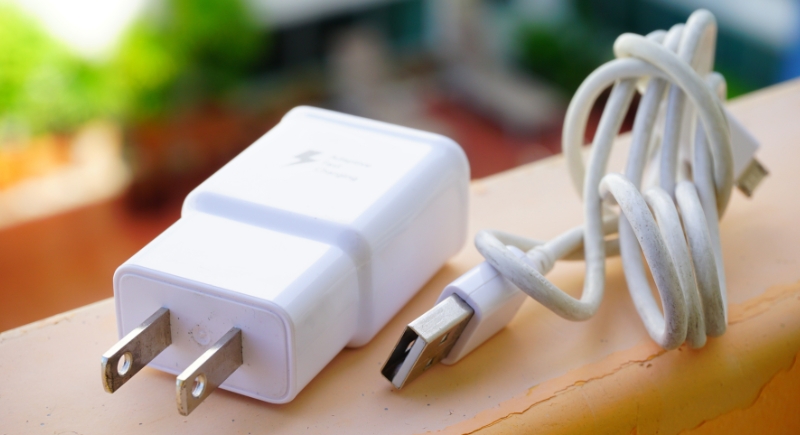
Forgetting Essential Chargers
Credit: Getty Images
Missing just one cable can disrupt navigation, boarding passes, or hotel check-ins. Airport replacement chargers often cost two to three times normal retail prices. Keeping a dedicated travel pouch with chargers that never leave the bag eliminates last-minute scrambling and prevents the purchase of overpriced accessories in transit.
Ignoring Weather Shifts

Credit: pexels
Packing decisions made days in advance often outlive the forecast that inspired them. The weather can change drastically within a day or two, particularly in coastal or mountainous regions. Travelers arrive dressed for conditions that no longer exist, then compensate by buying replacements they hadn’t planned for once they’re already on the ground.
Packing Heavy Toiletries

Credit: Africa images
Liquid toiletries add weight and risk without offering much return. Full bottles push bags closer to airline limits, increasing the chance of leaks during transit. Many destinations provide basics, and replacements are widely available. Carrying everything from home often ends up prioritizing convenience over solving a real need.
Buying a Bag That’s Too Large

Credit: Canva
Luggage size affects packing behavior more than most people realize. Bigger bags invite “just in case” items and draw more scrutiny from airlines with strict carry-on rules. Gate checks and added fees also tend to target oversized bags first.
Skipping Research on Plug Types

Credit: Canva
Electrical standards vary more than most travelers expect, as plug shapes differ, voltage can change, and not all devices are built to handle the shift. The problem often isn’t obvious until something stops working.
Leaving Prescription Medications Behind

Credit: Getty Images
Missing medication often becomes apparent upon arrival, and refills depend on local laws, pharmacy availability, and documentation. Some drugs require a prescription or aren’t available in certain countries. The small oversight can quickly turn into a logistical problem that dominates the trip.
Not Checking Airline Restrictions
Credit: Canva
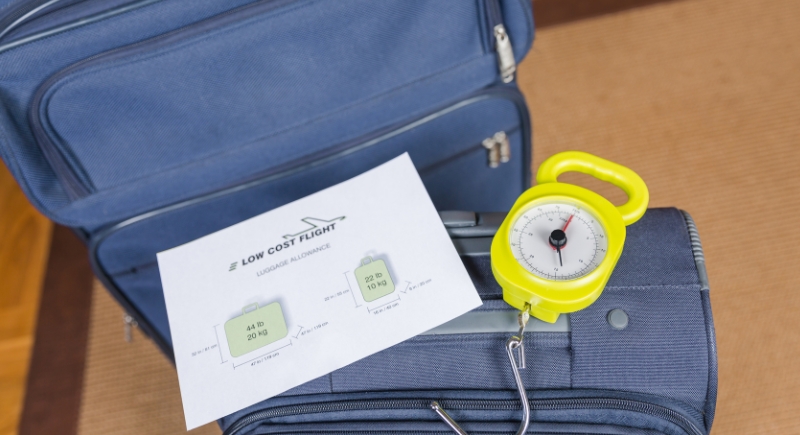
Airline rules don’t age gracefully because items accepted on a previous flight may suddenly be restricted, flagged, or limited without much notice. Sports gear, batteries, and even personal items shift categories as policies change. The disconnect usually appears at the counter, when there’s little room to negotiate.
Relying on Tourist-Area Prices

Credit: pexels
Shops near major attractions read wallets like open books, and high-traffic neighborhoods aggressively price convenience. Water, sunscreen, and basic toiletries often cost twice as much within a block of major attractions. The markup goes unnoticed because everyone nearby is paying it.
Misplacing Valuables in Checked Bags
Credit: Getty Images
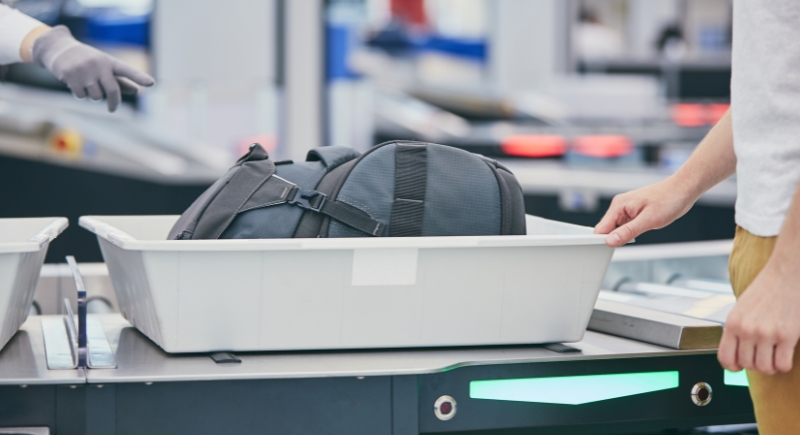
Once a bag is checked, control over its contents disappears. Airlines limit compensation for lost or damaged luggage, and high-value items often fall outside coverage. Tracking and claims move slowly, especially across borders. When something valuable goes missing, resolution often involves paperwork rather than recovery.