Things the World Thinks Are Hawaiian but Actually Are Not
Many items commonly associated with Hawaiʻi did not originate there. After Western contact, influences from plantation laborers, European settlers, and immigrant communities introduced new foods, plants, and cultural practices to the Islands. Over time, these imports became deeply integrated into local life. As a result, they are often mistaken as native to Hawaiʻi, even though their origins lie elsewhere.
Plumeria

Credit: pexels
These fragrant flowers tucked behind ears and woven into lei trace back to Mexico, Central America, and the Caribbean. The plant was first introduced to Hawaiʻi in 1860 by German biologist Dr. William Hillebrand, and Hawaiʻi’s tropical climate suited it immediately. It soon spread across the state in multiple colors.
Hawaiian Pizza

Credit: Canva
Hawaiian pizza was created in 1962 at the Satellite Restaurant in Chatham, Ontario, Canada. Sam Panopoulos, a Greek-born Canadian restaurateur, added canned pineapple to a ham pizza as an experiment. The name came from the canned pineapple brand he used, not from the Islands. The combination later gained popularity and spread internationally.
Pineapple
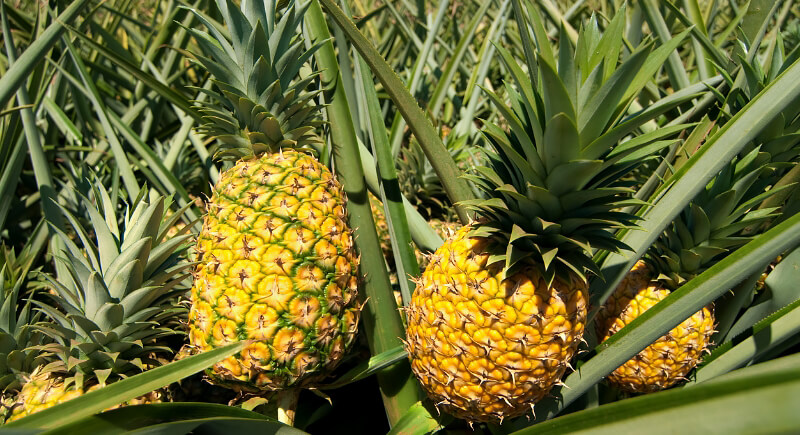
Credit: Getty Images
Large plantations in the 20th century turned pineapple into a major crop, and industrial branding made the fruit synonymous with Hawaiʻi. In reality, the fruit originated in the Paraná and Paraguay River region between southern Brazil and Paraguay. Spanish immigrants brought pineapple to Hawaiʻi in the 19th century, and Hawaiians called it hala kahiki, which means “foreign fruit.”
Tiki Bars
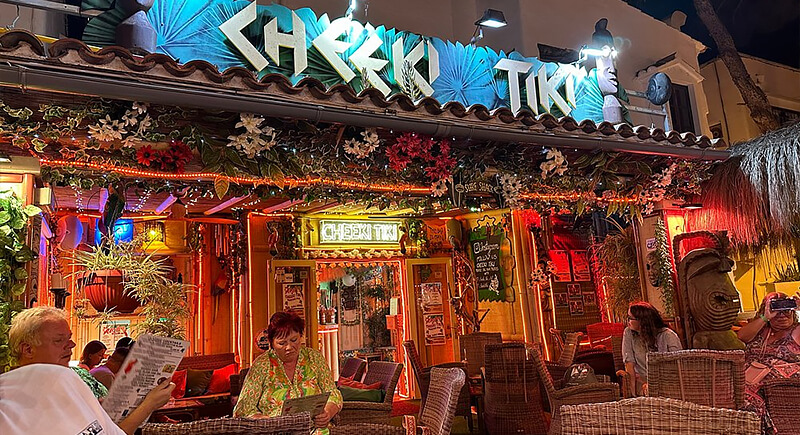
Credit: Tripadvisor
Tiki bars feel inseparable from Hawaiian shirts and leis, but the concept was born in California during the 1930s. Ernest Raymond Beaumont Gantt, better known as Donn Beach, opened Don the Beachcomber in Hollywood in 1933. The bar blended Caribbean rum drinks with a fantasy version of Polynesian decor.
Slippers
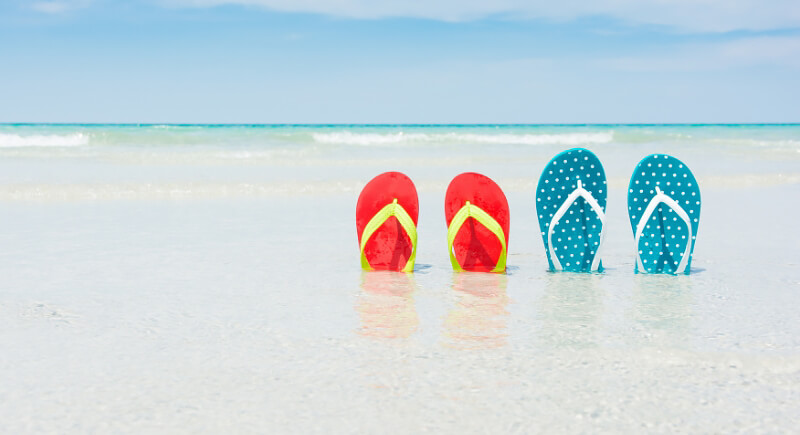
Credit: Getty Images
Everyday footwear in Hawaii includes rubber slippers worn to the beach, to work, and around the house. But they didn’t originate there; slipper-like sandals were known in Egypt, Japan, and South America long before they appeared in the region. Japanese immigrants likely introduced zori sandals to Hawaiʻi, and New Englander Elmer Scott later produced rubber slippers for submariners.
Ukulele

Credit: Getty Images
The word “ukulele” translates roughly to jumping flea, describing quick finger movement. The small four-string instrument arrived in the 1880s with Portuguese immigrants from Madeira and Cape Verde. Its design evolved from Portuguese string instruments. King Kalākaua supported the instrument and incorporated it into royal performances.
Grass Skirts
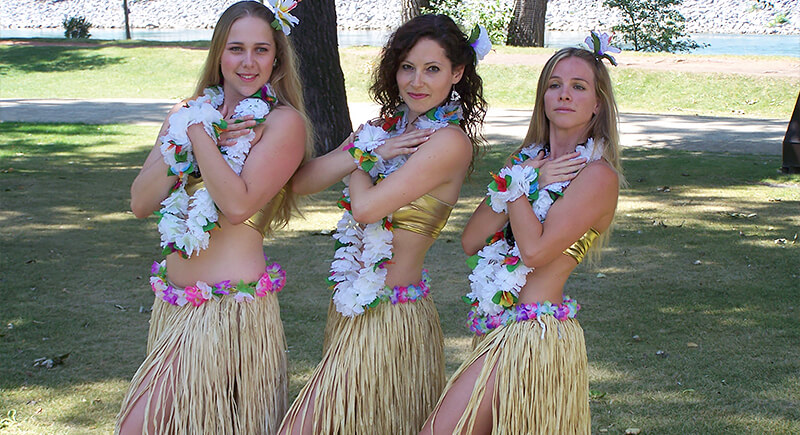
Credit: Wikimedia Commons
The stereotypical grass skirt often seen at costume parties is not traditional Hawaiian attire. Authentic hula dancers historically wore skirts made from kapa cloth or ti leaves, known as pāʻū. The raffia “grass skirt” image became popular through Hollywood films and tourism marketing in the 20th century.
Macadamia Nuts
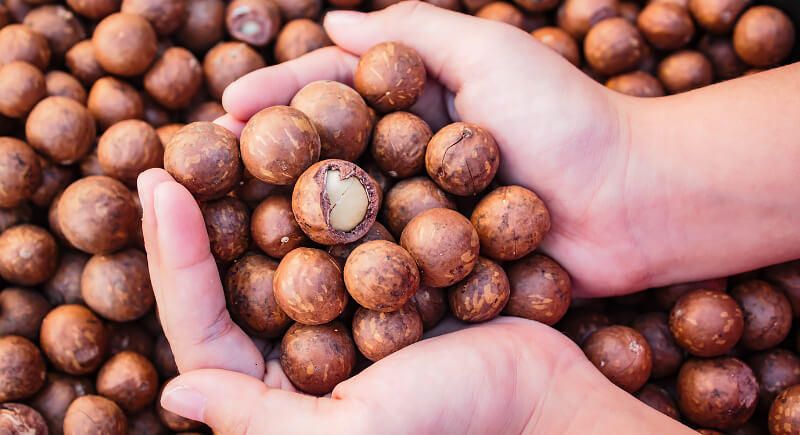
Credit: Getty Images
Macadamia trees are native to Australia, and it was plant collector and sugarcane investor William H. Purvis who brought them to Hawaiʻi in 1882. The trees were first planted as windbreakers for sugarcane. The nut later became a widely produced commercial product in the Islands. Souvenir tins strengthened the Hawaiian association.
Sweet Bread
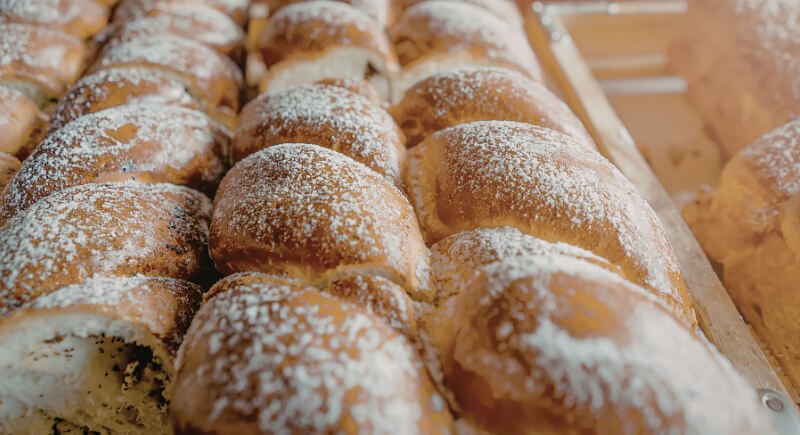
Credit: Canva
Bakery shelves across Hawaiʻi often display loaves labeled Hawaiian sweet bread, but it actually originated in Portugal. Portuguese immigrants introduced it while working on plantations. The proper name is Portuguese sweet bread.
The “Aloha” Shirt

Credit: Canva
Colorful floral shirts are widely called Hawaiian shirts, but their origins reflect a blend of influences. In the 1930s, Japanese immigrants in Honolulu used kimono fabric to create brightly patterned shirts for local customers. Chinese tailors and Filipino workers also influenced the style, so it’s the result of multicultural island communities rather than an ancient Native Hawaiian garment.