Norway’s Prisons Are Nicer Than Your Apartment and Here Is Why
Norway’s prisons regularly include private rooms, televisions, kitchens, access to education, and daily work schedules. Some facilities even allow inmates to cook their own meals, manage household budgets, and move through spaces that resemble student housing more than traditional cell blocks.
These are standard features of the country’s correctional system. The reality clashes with common expectations about punishment, especially given that many incarcerated people in Norway serve time for serious violent crimes. The system continues to draw global attention while prompting a closer examination of why these prisons operate as they do and what they are intended to achieve.
The Apartment Comparison Exists for a Reason
Norway does not design prisons to be harsh, but rather to be functional. At facilities like Bastoy and Halden, inmates live in private rooms with bathrooms, refrigerators, and televisions. Many cook their own food, wear regular clothes, work daily jobs, and manage shared living spaces. Some facilities resemble college housing more than concrete cell blocks.
This is not accidental generosity. Norwegian officials operate on a simple principle: prison removes freedom, not dignity. Everything else stays as close to normal life as security allows. The choice explains why the comparison to apartments keeps coming up, and why it unsettles people.
Comfort Is Not the Point
The easy reaction is to call this soft, but the harder truth is that Norway built its system around outcomes. Two years after release, about 20 percent of people released from Norwegian prisons reoffend. At Bastoy, that number drops closer to 16 percent. In the United States, more than 40 percent of people released return to prison within three years, according to data cited across multiple studies.
Progress Even Behind High Walls
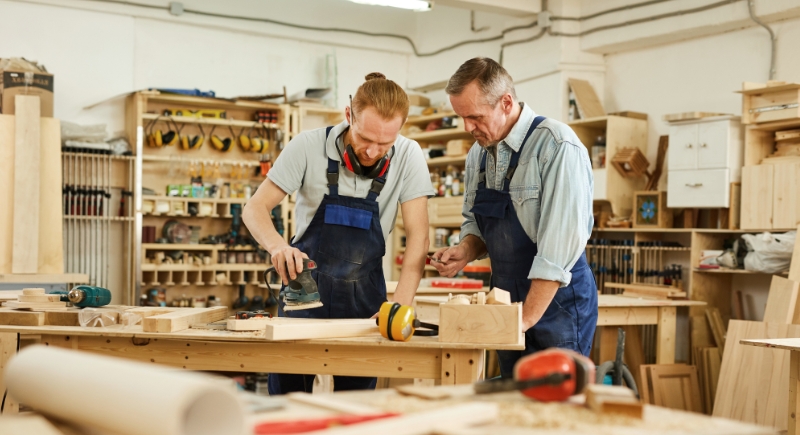
Image via Canva/SeventyFour
Critics often assume this model only works on remote islands or with low-risk inmates, but Halden Prison challenges that idea. It houses people convicted of murder, rape, and serious trafficking offenses inside a maximum-security facility surrounded by a 25-foot concrete wall. Inside, the features stay consistent.
Prisoners have private rooms, access to education, vocational training, and regular interaction with staff. Guards train for years and engage daily with inmates during meals, activities, and work. Cameras monitor movement, and doors lock at night; yet, the atmosphere remains structured rather than hostile. Norway spends roughly $90,000 per inmate each year, about three times the average cost in the United States, but officials call it an investment. Lower reoffending rates reduce long-term costs tied to policing, courts, and future incarceration.
Short Sentences, Long Thinking
Norway caps prison sentences at 21 years for most crimes, with extensions allowed only if someone poses an ongoing danger. Most sentences last under a year, and inmates earn placement at lower-security facilities through demonstrated stability and effort. Reintegration planning also starts early.
People close to release can work or attend classes outside prison months before leaving full-time. Housing, employment, and healthcare support continue after release. Prison becomes a controlled transition rather than a sudden drop back into society.