10 Truly Odd Facts About North Sentinel Island
A speck in the Indian Ocean holds one of the world’s most fascinating mysteries. North Sentinel Island is roughly the size of Manhattan, but it remains one of the least understood places on Earth. The Sentinelese have maintained their isolation for thousands of years by rejecting contact with the outside world by almost any means possible. Today, their story involves shipwrecks, kidnappings, and other oddities that have baffled anthropologists for centuries.
They Survived a Tsunami That Destroyed Neighboring Islands
Credit: Wikimedia Commons
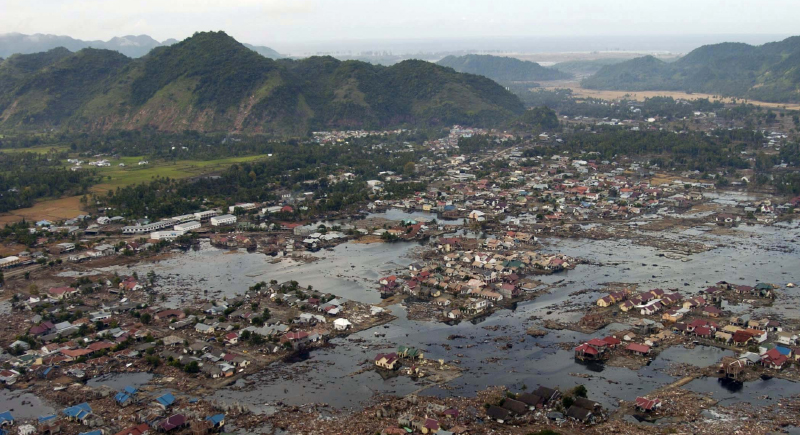
The 2004 Indian Ocean tsunami devastated coastlines across Asia and wiped out communities on nearby islands. Indian Coast Guard helicopters flew over North Sentinel the next day, expecting the worst. Instead, they spotted a Sentinelese man on the beach, running across the sand with his bow raised, and sending a clear message to potential visitors. The tribe appeared unharmed and was hunting and fishing as usual.
A Missionary’s Last Words Were “God, I Don’t Want to Die.”

Credit: Wikimedia Commons
John Allen Chau illegally traveled to North Sentinel Island in November 2018, determined to convert the tribe he believed lived in “Satan’s last stronghold.” The 26-year-old American made three attempts to land on the beach, singing hymns and offering gifts to the locals. The Sentinelese chased him off twice. On his third attempt, they killed him. His final diary entry read, “God, I don’t want to die.”
A Naval Officer Once Kidnapped Six People
Credit: Wikimedia Commons
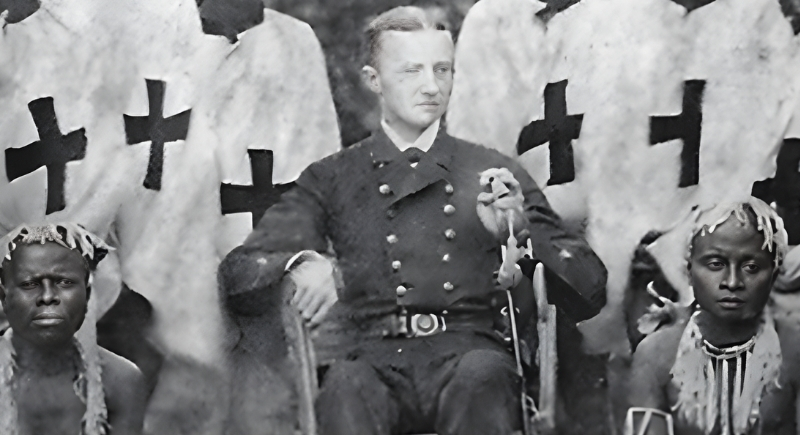
Maurice Vidal Portman considered himself an anthropologist. In 1880, this Royal Navy officer landed on North Sentinel Island “with the intention of making friends with the inhabitants,” as he later described it. The villagers fled inland, but the search party captured an elderly couple and four children. All six were taken to Port Blair, where the elderly couple died from illness. Maurice then returned the four sick children to the beach with gifts.
India Made It a Crime to Get Close
Credit: Getty Images
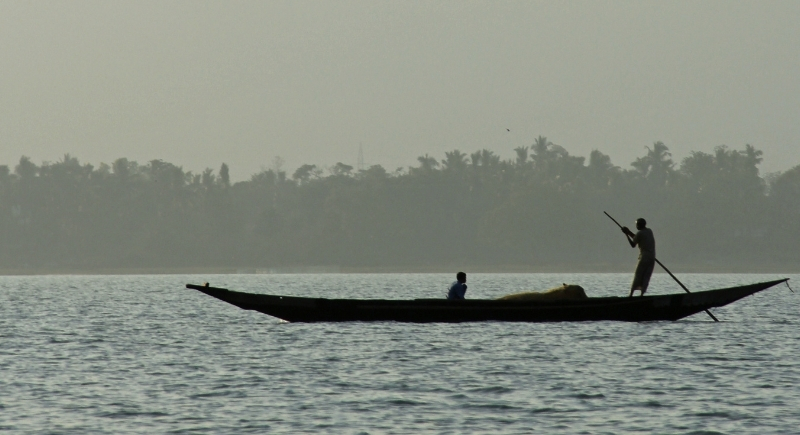
After the 2006 deaths of two fishermen whose boat drifted too close to the island, India made it illegal to go within five kilometers of North Sentinel. The Indian Coast Guard and Navy patrol the surrounding waters regularly to ensure compliance, and violations carry serious penalties. The law exists to protect outsiders who might get killed and shield the Sentinelese from diseases that could wipe them out.
They Build Canoes But Can’t Leave Their Lagoon
Credit: Getty Images
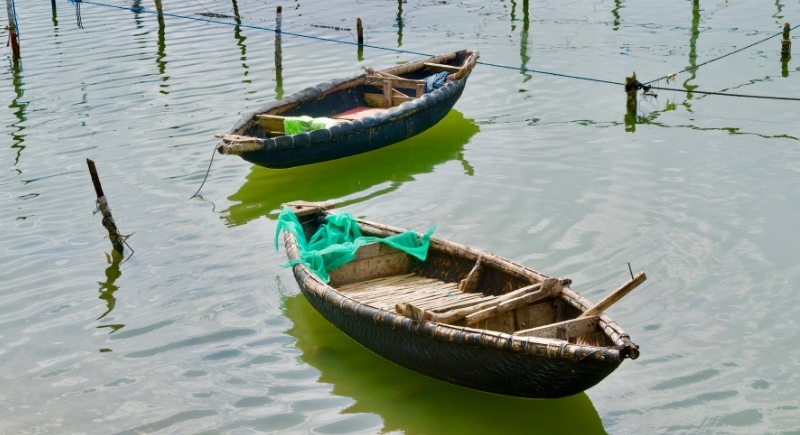
The Sentinelese fish from small, narrow canoes, maneuvering them with long poles. They harvest crabs, spear fish, and navigate the lagoon with ease. However, their canoes aren’t strong enough to cross the open ocean. The tribe remains confined to their island, probably by choice but definitely by geography. The shallow reef surrounding North Sentinel has no natural harbors and is kept off main shipping routes.
An Escaped Convict Fled There and Regretted It Immediately
Credit: Wikimedia Commons
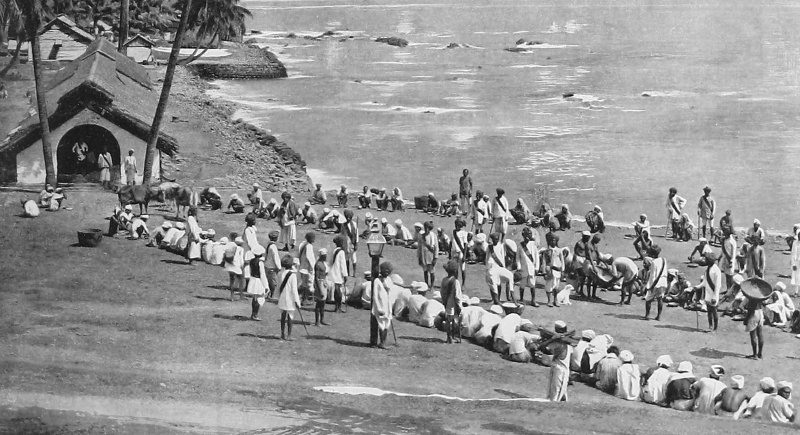
In 1896, a prisoner escaped from the Great Andaman Island Penal Colony on a makeshift raft. He drifted for hours before washing ashore on North Sentinel Island. Going from a British prison to this particular beach perfectly illustrates the concept of “out of the frying pan and into the fire.” A colonial search party found his body a few days later, covered in arrow wounds, with his throat cut.
They Showed Affection for Coconuts But Buried Live Pigs
Credit: Getty Images
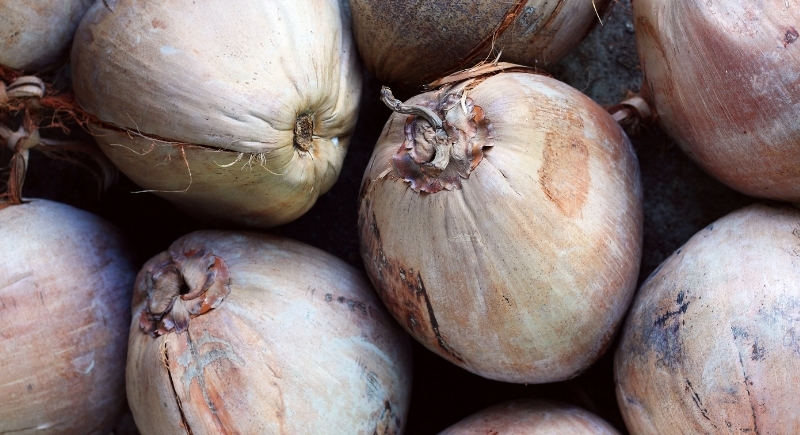
Anthropologist Trinok Nath Pandit spent decades attempting friendly contact with the Sentinelese, mostly by pulling up to the beach in a boat, dropping off gifts, and retreating quickly. The Sentinelese stood on shore with bows drawn until the visitors left. They speared live pigs that Trinok brought and buried them in the sand. Plastic toys received the same treatment. They accepted metal pots and pans, but coconuts became the tribe’s favorite gift by far.
A Woman Pushed Down a Man’s Bow in a Mysterious Ritual
Credit: iStockphoto
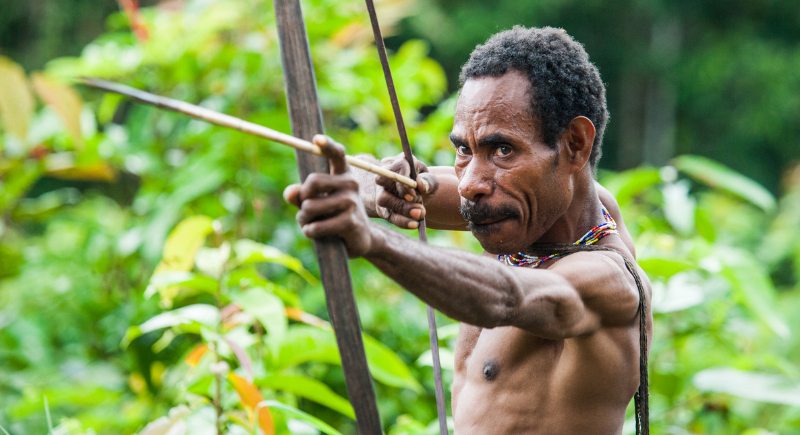
By 1991, the Sentinelese visited anthropologist Trinok Nath Pandit. According to them, two dozen Sentinelese people were waiting, and one raised his bow and aimed it at the visitors. A woman stepped forward and pushed the bow down before the group rushed toward the boats to collect coconuts. Anthropologists still don’t know if this was a negotiation happening in real time or a ritualistic display of peace.
One Man Signaled “Time to Leave” by Pretending to Defecate

Credit: pexels
The Sentinelese developed creative ways to communicate displeasure without speaking. Trinok described how islanders would turn their backs, squat, and pretend to defecate if visitors got too close or overstayed their welcome. If the anthropologists ignored this warning, arrows followed. On one occasion, a Sentinelese man drew his knife and made a cutting motion at the archaeologist. These interactions reveal a society with boundaries and the means to enforce them.
Nobody Knows What They Call Themselves
Credit: Wikimedia Commons
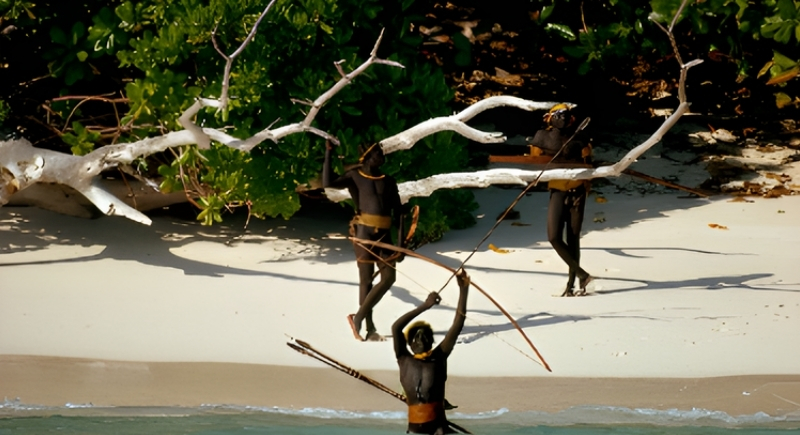
Anthropologists make a point of calling people by their own names, but nobody outside North Sentinel Island knows what the tribe actually calls itself in its own language. The name “Sentinelese” comes from the island’s name, and not a single word of their language has been documented. They’re related to other Andaman Island groups like the Onge and Jarawa, but those tribes can’t understand the Sentinelese language either.