These 10 Cities Are Making the Rest of America Look Bad
America’s crime picture has shifted over the past year. Many large cities have seen a decrease in violence through 2024 and into mid-2025, even as public perception struggles to catch up. A smaller group of cities, however, continues to stand out for the opposite reason. Serious crime remains concentrated in specific areas, at predictable times, and follows familiar patterns. These places are not defined by constant disorder, but by problems that repeat often enough to dominate headlines and distort how the rest of the country gets judged.
Detroit
Credit: Getty Images
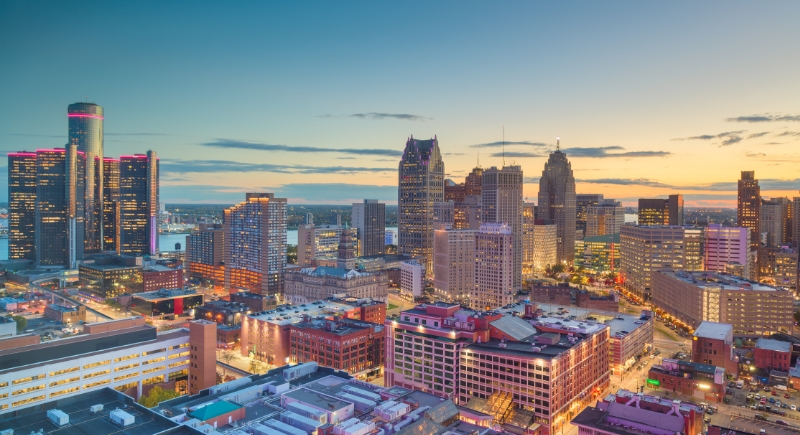
Violent crime rates here have dropped by about 30% since 2018. Despite that, aggravated assaults and robberies remain common in several neighborhoods, keeping the city’s per-capita risk high. Downtown and redevelopment corridors feel different thanks to lighting, patrols, and new construction. More than 20,000 abandoned buildings have been demolished since 2014, and robbery has fallen in those targeted zones.
Memphis

Credit: Getty Images
Few cities make crime feel as personal as Memphis, with its violent crime rates sitting well above national norms, driven mainly by aggravated assaults and firearm incidents. The early 2020s were rough, and the aftershocks are still visible. Recent hotspot policing and violence-interruption work align with the broader 2025 decline seen nationwide. Business owners respond by installing cameras and guards because safety can change dramatically from one block to the next.
St. Louis

Credit: Getty Images
Per-capita math is what hurts St. Louis the most. The population is smaller, but violent incidents pile up in specific neighborhoods. Firearms are involved in the vast majority of homicides, and youth crime plays an outsized role. Some redevelopment corridors experience fewer calls for service, indicating that targeted investment is effective. The problem is that a limited number of blocks still drive the city’s national reputation.
Baltimore

Credit: Getty Images
Baltimore has lived under a microscope for years. Gun violence defined the city’s image long before recent declines showed up in monthly data. Several stretches of 2024 and 2025 recorded fewer homicides than prior years. Clearance rates remain a concern, which affects long-term trust and deterrence. Violence tends to concentrate at repeat locations rather than spreading evenly.
New Orleans
Credit: Getty Images
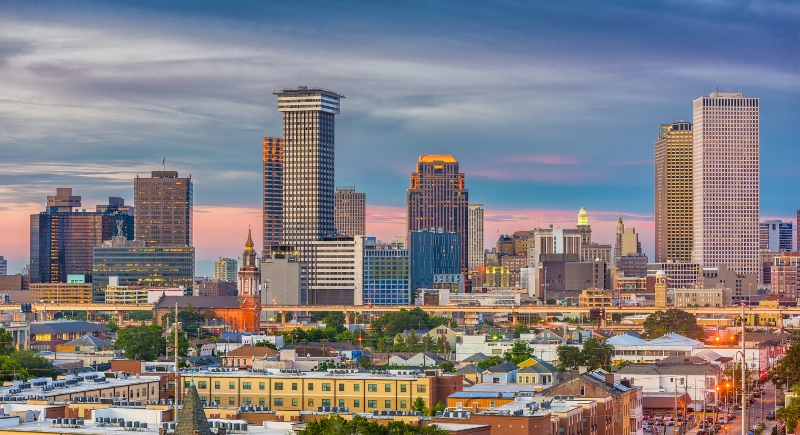
New Orleans’ crime trends change often, with homicide rates rising and falling from year to year. That volatility keeps the city near the top of national rankings. Tourist areas remain heavily monitored, while risk increases in residential neighborhoods, especially at night. The city shows progress in some areas but continues to struggle in others. Louisiana’s opioid prescription rate also remains far above the national average.
Birmingham
Credit: Getty Images
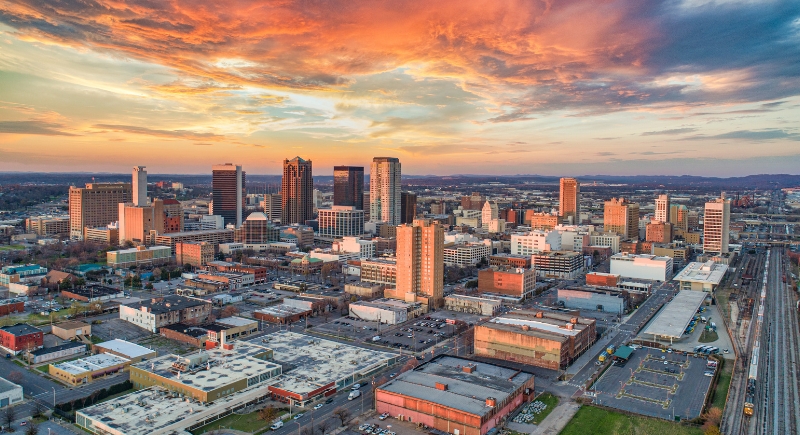
Birmingham’s violent crime remains concentrated in a limited number of neighborhoods rather than spread across the city. These areas account for most serious assaults and heavily influence the city’s overall numbers. Education outcomes often mirror these patterns, with dropout rates well above national levels. Crime also carries a steep financial burden for residents. Local churches and hospital-based intervention programs have become key parts of the city’s response.
Cleveland
Credit: Getty Images
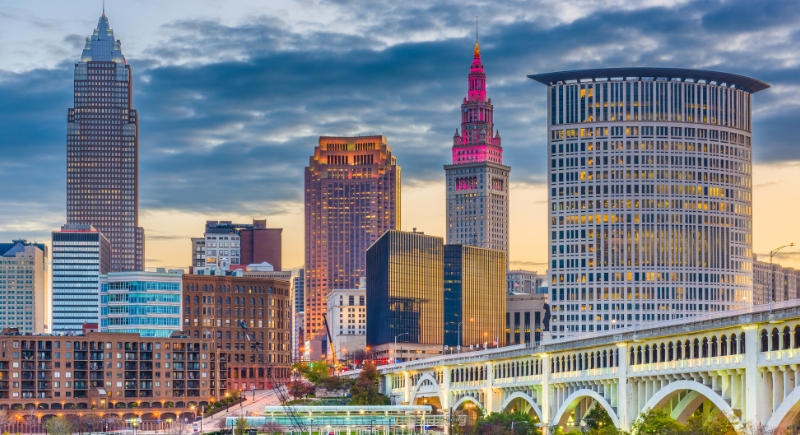
Cleveland’s population loss since 1970 has left entire blocks with vacant homes, and many of those spaces invite illegal activity. Aggravated assaults account for a large share of serious incidents. The city has focused on practical fixes such as better lighting, corridor patrols, and expanded camera coverage in high-activity zones. Early 2025 data shows gun-related assaults declining compared with past years.
Milwaukee

Credit: Getty Images
Seasonal shifts shape Milwaukee’s crime picture more than in many cities. Activity tends to rise during the summer, often concentrated in the same few neighborhoods and frequently involving younger residents. Overall rates have hovered around 16 serious incidents per 1,000 people in recent reports. Even so, the past two summers brought fewer homicides than many expected, echoing the wider national drop seen in mid-2024 and into 2025.
Baton Rouge
Credit: Getty Images
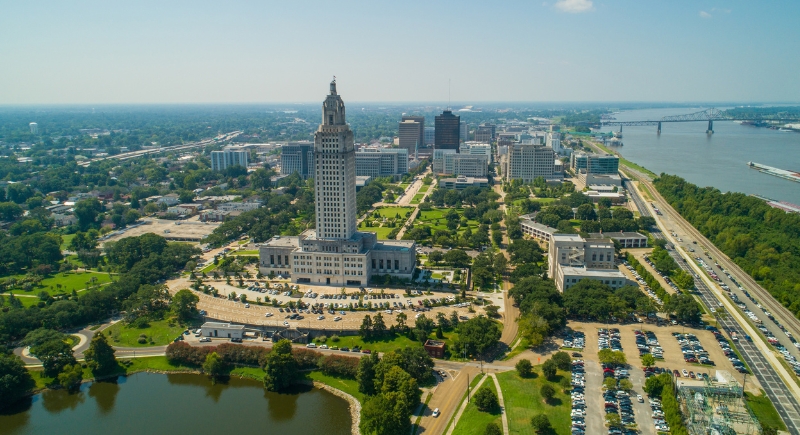
Even with fewer than 230,000 residents, Baton Rouge continues to land on national lists because the rates stay stubbornly high. Violent crime consistently runs well above national averages, with firearms involved in the majority of killings. Economic stress and reentry challenges play a measurable role, as a small number of individuals are linked to a large share of serious violence.
Little Rock

Credit: Getty Images
Little Rock drew attention in 2025 when homicide counts rose even as many larger cities saw declines. Overall, crime levels rival those of much larger metropolitan areas. High rental turnover in the most affected neighborhoods has weakened long-term community ties. Early 2025 data from the Council on Criminal Justice placed the city among the fastest movers in the wrong direction. In response, local leaders expanded their focus on enforcement, youth outreach, and retaliation prevention efforts.