
Three on-the-ground checks I use before I pay for a private cabin versus a basic seat or couchette.
Do you need horizontal sleep, or just less interruption?
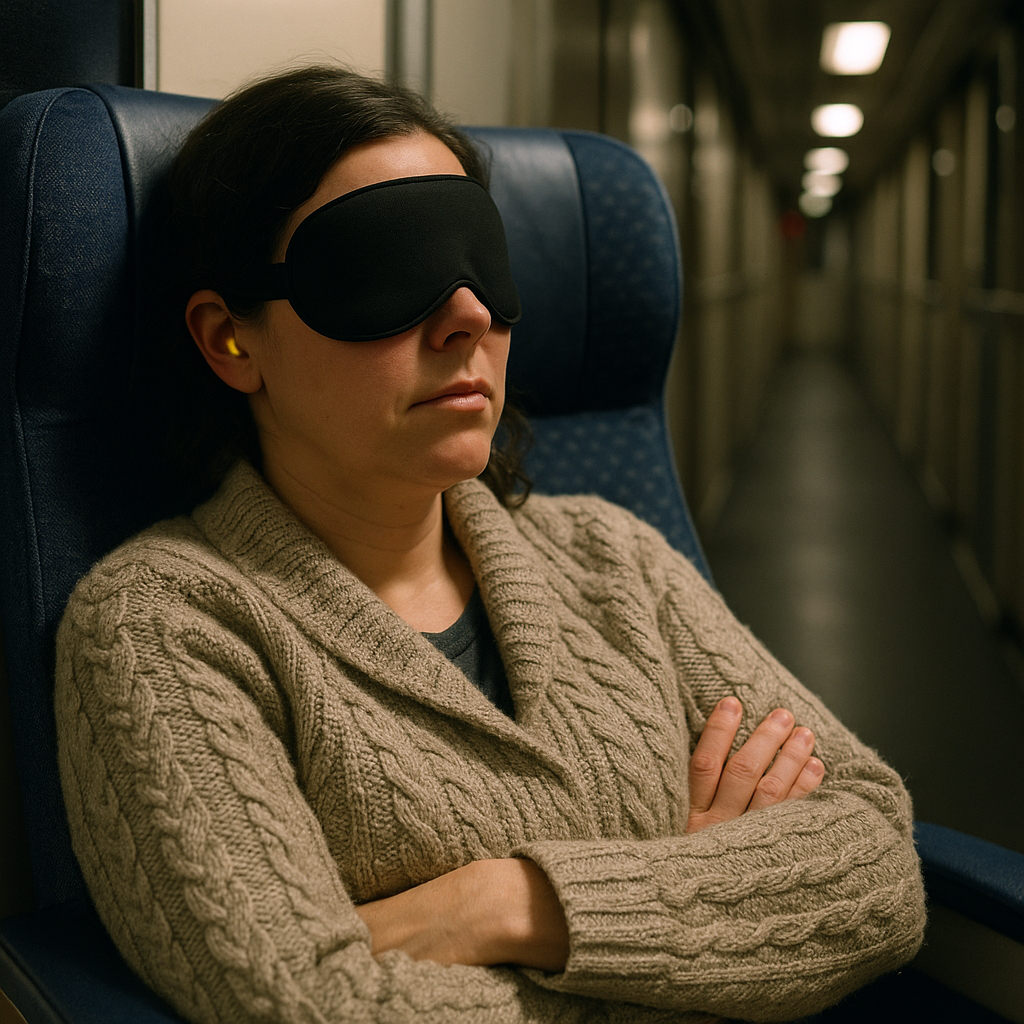
I used to treat the cabin decision like a pure comfort upgrade. Then I started paying attention to what was waking me up, and it wasn't always the seat. On a night train, the biggest sleep thief is the rhythm of stops: the braking shudder, the platform announcements bleeding through the vestibule, the corridor light that never fully goes dark. On an overnight ferry, it's the ship itself, that low engine thrum plus the occasional door slam when someone comes back from the lounge at 1:00 a.m. Here is the question I ask now: do I need to lie flat, or do I just need fewer people cycling past me?
If I'm taking a route with frequent station calls (or a ferry with a bunch of intermediate ports), a basic accommodation can turn into a little all-night parade. That's when a cabin feels like a purchase of silence, not luxury. The door cuts the foot traffic, and the lack of overhead announcements matters more than the mattress. But if it's a long, clean run with one big stop in the middle and nothing else, I can usually make a basic seat or a simple bunk work with a sleep mask and a soft layer. I pack one thing specifically for this: foam earplugs with a low profile (the 3M 1100 style), because the big waxy ones get uncomfortable if you're pressed against a window for hours.
The final tell is your own threshold for broken sleep. I can function after a chopped-up night if I can at least drift off quickly again. If you wake up fully and stay awake, you will hate the budget option, and you will resent the whole trip the next day. In that case, the cabin isn't indulgent. It's the only way the "getting there" part doesn't hijack the rest of your itinerary.
The bathroom math no one wants to do
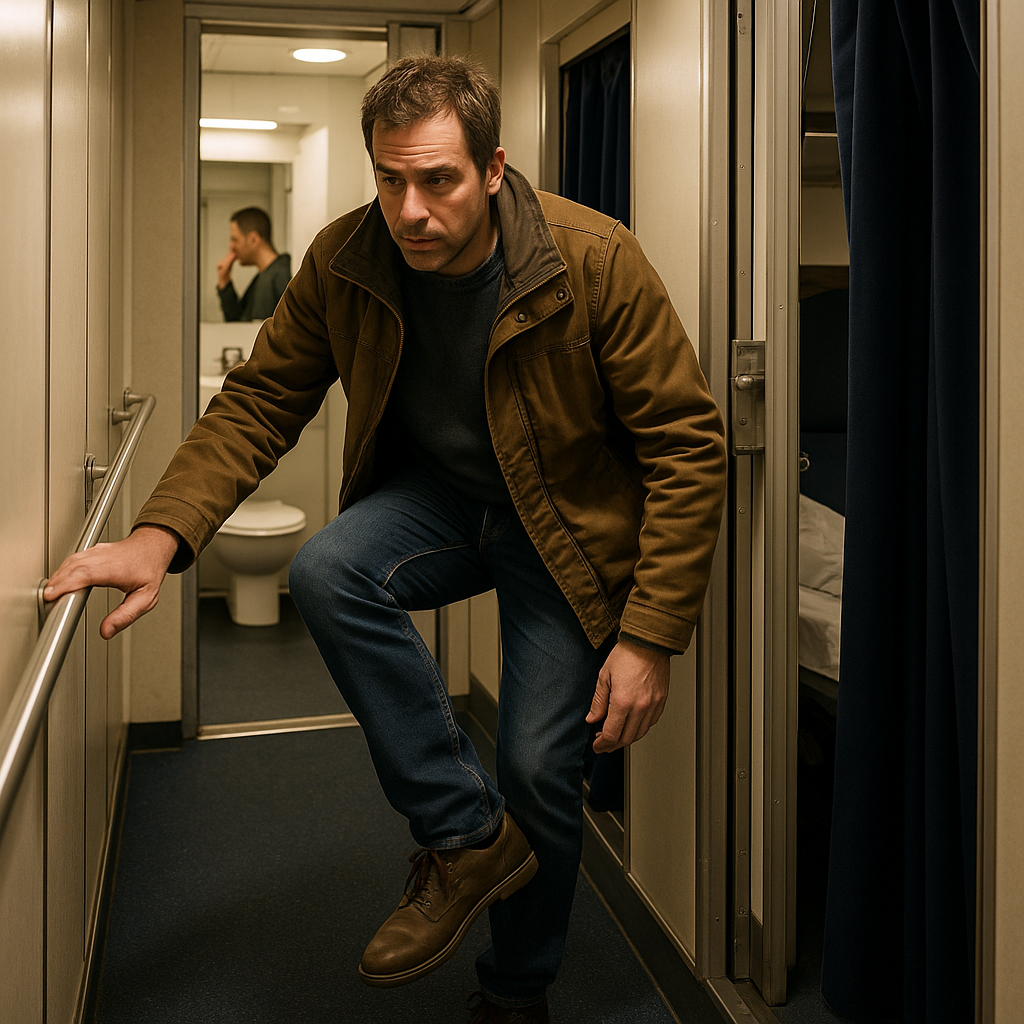
I don't care how nice the lounge looks in the promo photos. On a long-distance ride, the moment you start planning bathroom strategy is the moment you understand what you're paying for with a cabin. The difference isn't just privacy, it's friction. In a basic seat or open-plan sleeper, every bathroom trip is a small project: shoes on, jacket half-zipped, find your way down a rocking corridor, then hope you didn't time it with a station stop when everyone decides to brush their teeth at once.
On ferries, the shared facilities can be perfectly fine, but timing is everything. If you sail right after dinner, the bathrooms are calm. Then the late-night bar crowd drifts back, and suddenly you're negotiating narrow passageways with people doing that polite side-step dance. On trains, I notice the bottleneck right after the conductor does the ticket pass and people realize they can stop pretending they're asleep. None of this is a disaster. It just chips away at rest.
So I do a quick piece of bathroom math before I pay for a private room. Who am I traveling with? If I'm solo and I can pack light, I'm more willing to roll with the shared setup. If I'm with a partner and we both wake up at night, the back-and-forth adds up fast. If I'm traveling with someone who needs a little more time or space (or just hates feeling rushed), I put real weight on an en suite cabin, even if the room itself is plain.
One practical note from experience: if you're going basic, pick a seat or bunk close to facilities without being directly beside them. "Beside" means you get door slams and the hand dryer. Close means you aren't doing a balancing act down the corridor every time the ship hits a swell or the train takes a curve. That middle distance is the sweet spot, and it matters more than a slightly wider seat.
What are you doing with your stuff while you sleep?
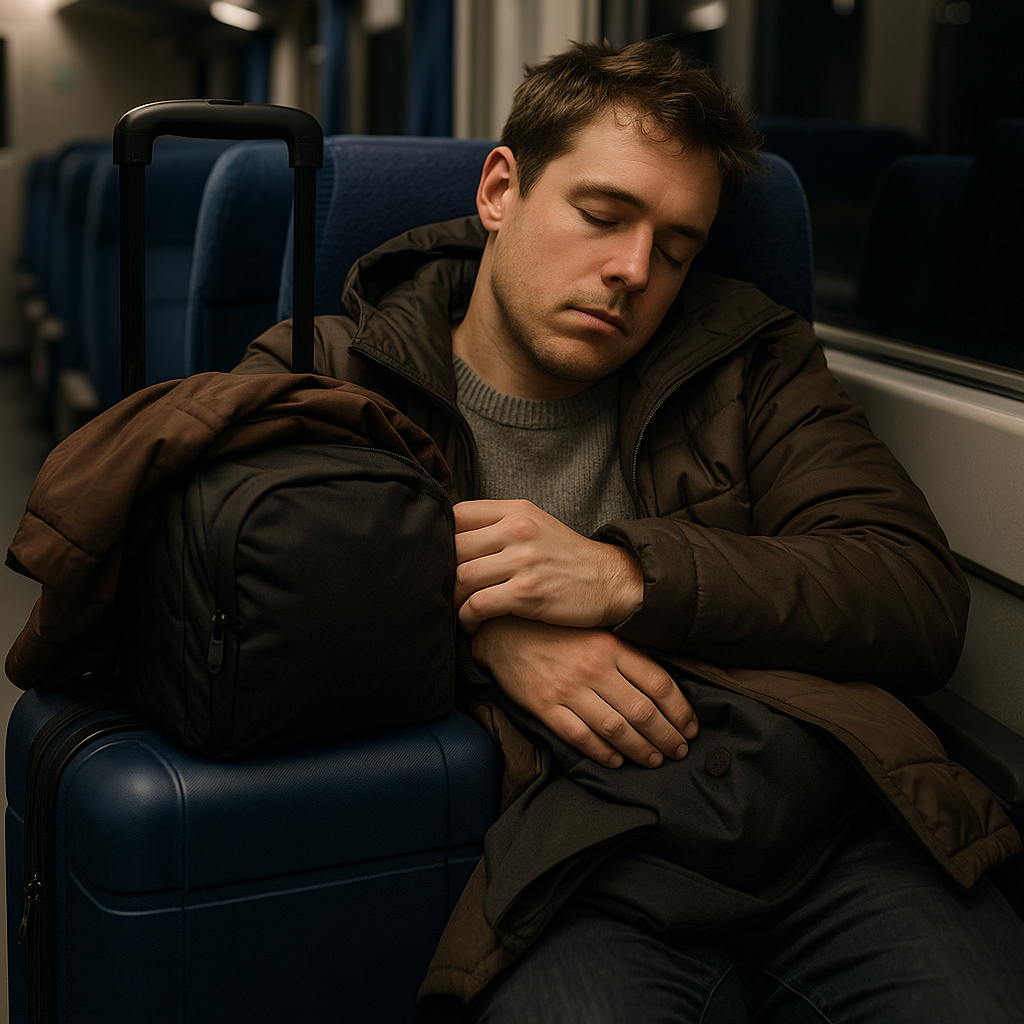
This is the part I wish someone had spelled out for me before my first overnight: where is your bag going, and how will you feel about it when you're half-asleep? Basic accommodations are workable until you bring the kind of luggage that can't stay glued to your body. A small backpack, fine. A roller plus a daypack plus a coat, now you're building a little nest around your knees and pretending it's normal.
On trains, the overhead rack situation varies, and so does your ability to keep an eye on it. If I'm in a standard coach seat overnight, I want my essentials in one smaller pouch I can keep zipped and on me, not scattered. Mine is basically a night kit: phone, cable, earplugs, lip balm, wet wipes, and a small water bottle. The rest can live overhead if I have to, but I don't want to be standing up in a swaying car at midnight because I forgot my charger.
On ferries, the dynamic changes because you're moving through public spaces more. If you book basic and plan to doze in a lounge chair, you're making a judgment call about leaving anything unattended while you walk to the cafeteria or step out on deck. I've watched people do the awkward shuffle of carrying all their valuables to brush their teeth. You can make it work, but it turns every small errand into a pack-up.
A cabin doesn't magically make theft impossible, and I'm not going to pretend it does. What it does do is give you a single, contained place to put your shoes, jacket, and bag so you aren't constantly negotiating space with strangers. If I'm carrying a camera, a laptop, or anything I truly don't want separated from me, that's the moment I stop romanticizing the basic option. I want to sleep without one eye open. If I can't, the upgrade isn't about being fancy. It's about letting the ride be part of the trip instead of a night-long logistics drill.