Inside the New Rules of Modern Tipping
Small payment screens asking for a 20 percent tip now appear in places that once handled a quick transaction and a simple thank-you. Many customers have noticed the shift. A 2023 Pew Research Center study found that three out of four Americans believe tipping is expected in more places than it used to be.
The frustration shows up in newer surveys as well. A 2025 WalletHub report found that nearly 90 percent of Americans feel tipping culture has gone too far. Tipping still follows certain rules, but the system now feels much larger and harder for people to navigate.
How The American Tipping System Took Shape
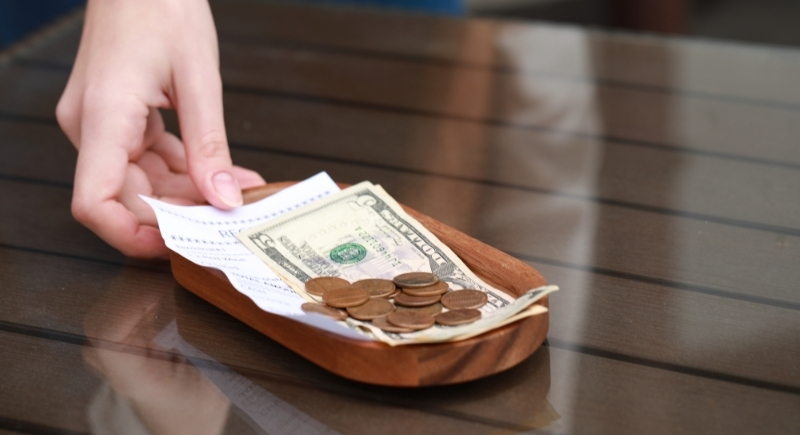
Image via Canva/Africa images
The tipping system in the United States dates back to the years after the Civil War. Employers in restaurants and hotels began encouraging customers to leave gratuities rather than pay full wages to newly freed Black workers entering the hospitality industry. That model gradually turned into a formal wage structure. Under the Fair Labor Standards Act, employers can pay tipped workers a base wage below the federal minimum wage because tips are expected to make up the rest of their income.
The federal minimum wage stands at $7.25 per hour. Tipped workers can receive a direct wage as low as $2.13 per hour, with tips covering the gap to reach the minimum requirement. Employees who earn at least $30 per month in tips fall under this system. Several states still operate with the $2.13 tipped wage, including Texas, Georgia, Virginia, Tennessee, and North Carolina. In those areas, gratuities often represent the majority of a server’s income.
Why Tipping Prompts Suddenly Appear Everywhere
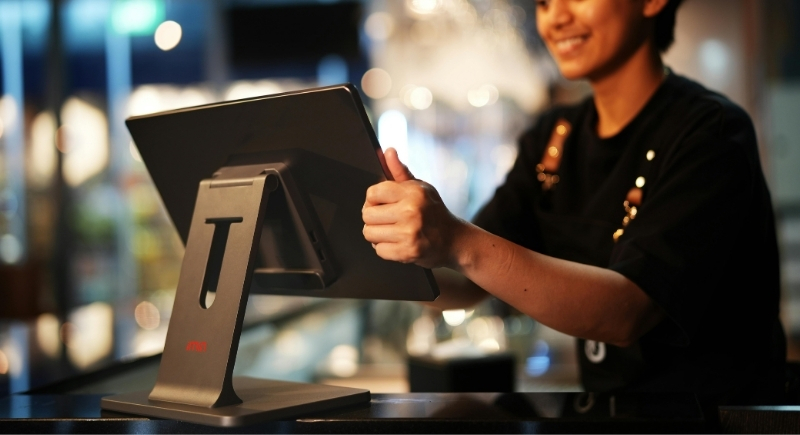
Image via Pexels/iMin Technology
Technology has a major hand in the explosion of tipping prompts. Modern point-of-sale systems make it easy for businesses to add suggested tip percentages during checkout. Consumer behavior research by Cornell University professor Mike Lynn shows that when payment screens suggest larger tips, customers tend to leave more money.
The pandemic accelerated this change. Businesses encouraged customers to tip more frequently during the crisis to support essential workers, and many establishments kept those prompts in place long after the emergency ended. Labor shortages and rising costs also pushed companies to promote tipping as an additional way workers earn income.
The Pressure Of The Tip Screen
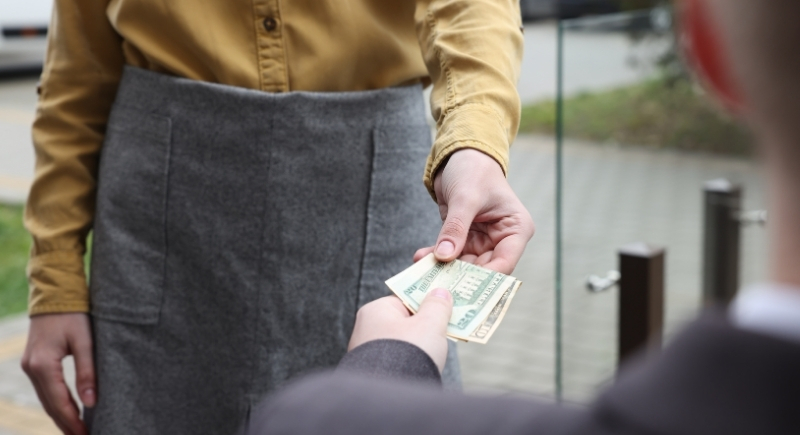
Image via Canva/Africa images
The experience at checkout now carries a social component. Surveys show more than half of Americans say they leave a tip mainly because of social pressure rather than service quality. That pressure becomes stronger when tip options appear on a tablet while the employee stands nearby. Some systems present preset percentages that begin above 20 percent.
Research cited by marketing professor Shubhranshu Singh of Johns Hopkins University suggests customers who feel uncomfortable with those options should simply choose the custom tip button or take a moment to adjust the amount. Interestingly, the WalletHub survey found that nearly three in ten Americans actually leave smaller tips when confronted with these suggested screens.
Where Tipping Still Follows Clear Etiquette
Even with the rapid expansion of tipping prompts, traditional etiquette rules remain fairly stable in certain industries. Full-service restaurants remain among the most widely accepted places to leave a gratuity because servers often earn less than the minimum wage. Etiquette experts say the common tip has increased during recent years. What used to be about 15 percent is now between 18 percent and 20 percent.
Other services follow their own standard ranges. Taxi and rideshare drivers usually receive about 10 to 20 percent, food delivery drivers often receive about 10 percent, and hair stylists and nail technicians generally fall within the 15 to 20 percent range.
The Backlash Against Tipping Culture

Image via Getty Images/Mindful Media
Public frustration around tipping continues to grow. Nearly three in five Americans believe businesses rely on customer tips instead of raising employee wages. Another survey found that 83 percent of respondents support banning automatic service charges.
Many diners have tried protesting by leaving messages on receipts or skipping tips entirely. Industry experts say this approach hardly changes wage policies and mainly reduces the income of the server working that shift.
Restaurants have experimented with eliminating tipping and raising menu prices to pay higher wages, but many reversed those policies after customers pushed back against higher prices.