“Danger Island” Is the Tropical Escape Everyone Dreams About
Pukapuka, often called Danger Island, is located far out in the northern Cook Islands and has a way of standing apart from the usual tropical shortlist. Its lagoon has a bright, clear turquoise color that catches attention long before travelers learn anything about its history.
The atoll is remote, closer to Samoa than to Rarotonga, and that isolation shapes daily life. Flights don’t come often, outside trends arrive slowly, and community traditions hold their own space. Reaching Pukapuka requires more coordination than a standard beach holiday, and that extra effort is part of what makes the island feel so distinct and memorable.
How It Ended Up With a Name Like That
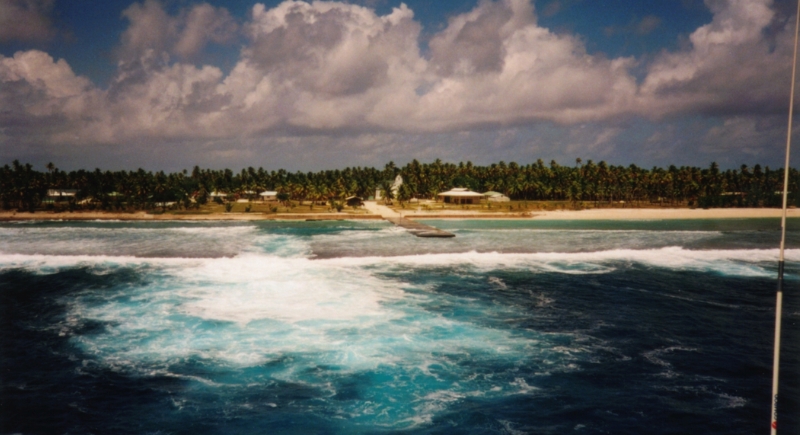
Image via Wikimedia Commons/Makemake at German Wikipedia
In 1765, English navigator John Byron sailed past the atoll and saw heavy surf breaking across its reef. He couldn’t reach shore and labeled it the Isle of Danger, a name that stuck even though Polynesian communities had lived here long before his arrival.
Local history recounts that approximately 15 survivors rebuilt their lives on the atoll after a major tsunami roughly 300 years ago, which laid the foundation for the three villages on Wale, the primary islet. The two smaller islets, Motu Ko and Motu Kotava, remain uninhabited and are used seasonally for growing crops.
For an atoll, Pukapuka rises higher than most, reaching about 100 feet in one area. The slight elevation gives it more variation than the flat coral rings travelers usually picture.
A Lifestyle Built Around Community
Pukapuka follows a structure centered on cooperation and long-term resource protection. The ra’ui system sets periods when certain fishing or harvesting areas are off-limits so the lagoon and land can recover. Music, shared meals, and group activities are part of daily life, and kirikiti, the island’s fast-paced version of cricket, brings everyone together.
The language, Pukapukan or Te Leo Wale, carries strong ties to Samoa and Tokelau and stands apart from other Cook Islands dialects. Women guide many decisions and manage taro wetlands, which are passed down through mothers.
These wetlands support both food production and cultural identity, and maintaining them is seen as a responsibility rather than a task.
What Sets This Place Apart
The lagoon is the atoll’s centerpiece, with turquoise water that shifts color as the sun moves. The coral remains healthy thanks to community rules, and the snorkeling reflects that. Bright reef fish, parrotfish, and coral shelves fill the shallow areas.
Locals take visitors by small boat to deeper spots along the reef or out for fishing, where yellowfin tuna, mahi-mahi, and wahoo are common catches. Many meals feature the fish cooked over hot stones or prepared with coconut cream.
At low tide, travelers can walk the shallow reef between Wale and Motu Ko, passing a small shipwreck along the way. Motu Kotava has beaches and nesting seabirds, while the Toka sandbank outside the lagoon offers a calm stop when weather conditions allow.
Reaching An Island This Remote
Pukapuka doesn’t receive scheduled commercial flights. Travelers rely on charter flights, occasional Northern Group tour flights, or cargo ship routes. The atoll sits about 800 miles from Rarotonga.
Propeller flights generally take around 4.5 hours, while private charters cut the time to about 2.5 hours. Cargo ships depart roughly every 2.5 months and can be delayed due to supply demands and weather conditions.
Arrivals land on Motu Ko and then travel by boat to Wale. Next, hosts arrange transfers and any local transportation; however, most exploring is done on foot.
What Staying There Looks Like
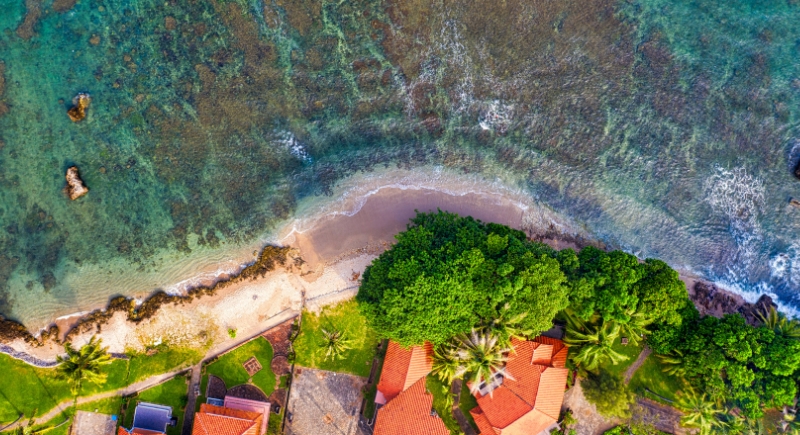
Image via Pexels/Tom Fisk
Wale has a dedicated guesthouse with basic accommodations, shared facilities, and four rooms with twin beds. When more visitors arrive than the space allows, an administration building opens as a backup lodging option.
Guests eat meals prepared by community members, often featuring taro, coconuts, and locally caught fish. Drinking water comes from stored rainwater, and travelers are encouraged to bring essentials such as sunscreen, medication, and personal snacks.
WiFi exists only at two hotspots and works best for simple browsing, which nudges visitors to enjoy slower days.