Airlines with the Smallest Seats
Air travel isn’t exactly known for leg-stretching luxury in economy, but some airlines really test the limits of elbow space and patience. When seat width shrinks to barely a shoulder’s worth, and legroom feels like a suggestion, comfort drops off the radar. Here are a few airlines where personal space is more of a memory than a guarantee, and why their tight setups keep making the list.
Ryanair
Credit: Wikimedia Commons
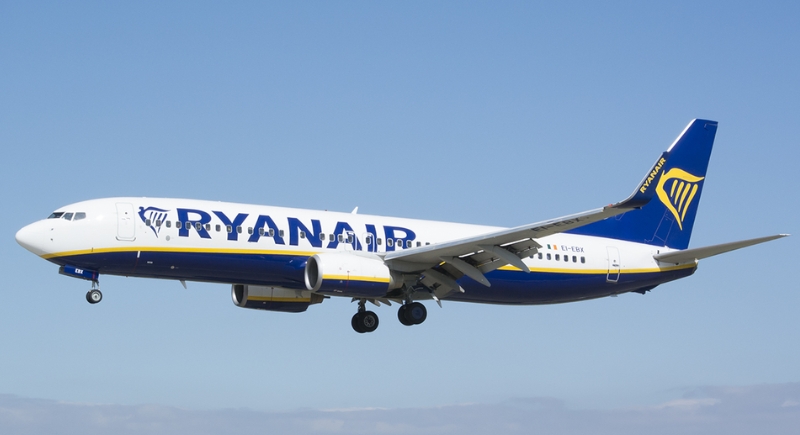
Ryanair’s fleet is built to carry as many passengers as possible, which naturally trims personal space. Seats measure approximately 17 inches wide, and pitch can range from 28 inches to 38 inches, depending on the aircraft. The airline also favors lightweight materials and simple padding to save fuel.
British Airways
Credit: Wikimedia Commons
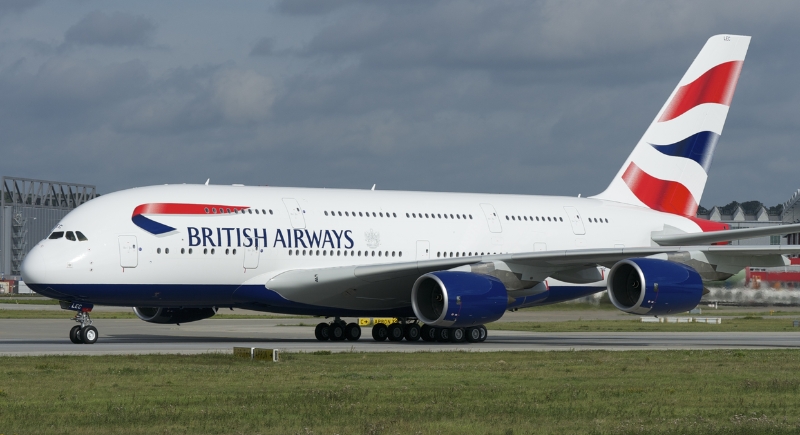
British Airways’ short-haul cabins have become noticeably tighter over the years, with many aircraft measuring roughly 17 inches across the seat. Pitch usually ranges from 29 to 31 inches. The airline’s interior updates brought in sleeker styling, but travelers often comment that the cleaner look didn’t translate into extra breathing room.
Jet2
Credit: Wikimedia Commons
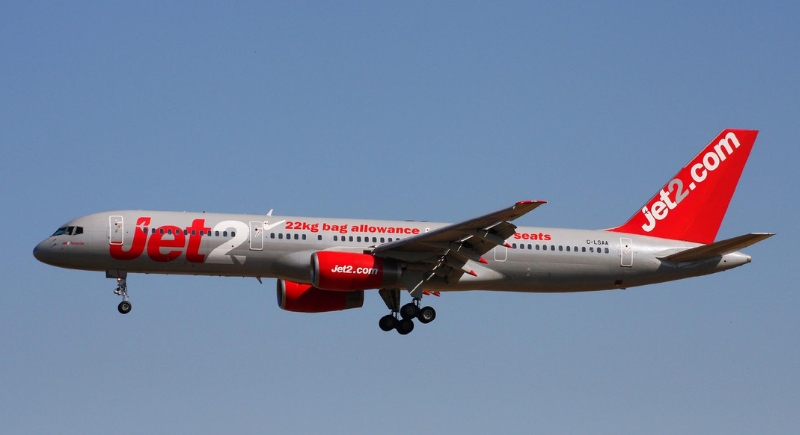
Jet2 focuses on holiday travel, and its seating reflects the goal of keeping fares low. Most of its Boeing 737-800s feature 17-inch seats with a pitch that generally ranges from 29 to 30 inches, although a few rows feel slightly tighter than others.
Norwegian
Credit: Wikimedia Commons
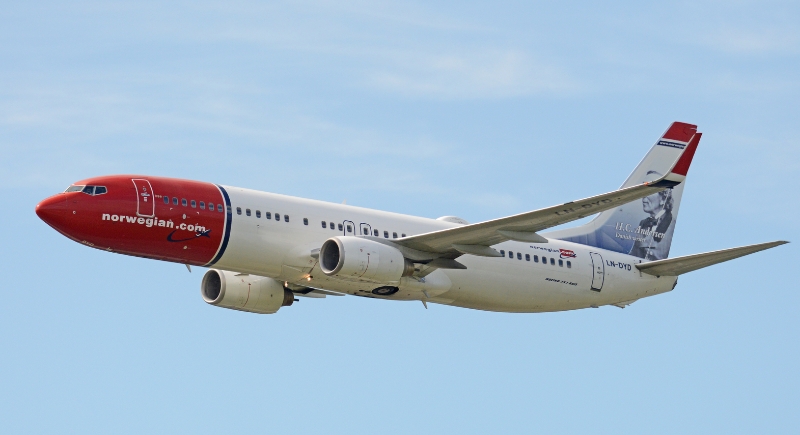
Norwegian’s 737s have a width of approximately 17 inches, with a pitch that typically ranges between 29 and 31 inches. The airline earns points for clean cabins and free in-flight Wi-Fi, yet the relatively narrow seats still stand out during crowded flights.
TUI Airways
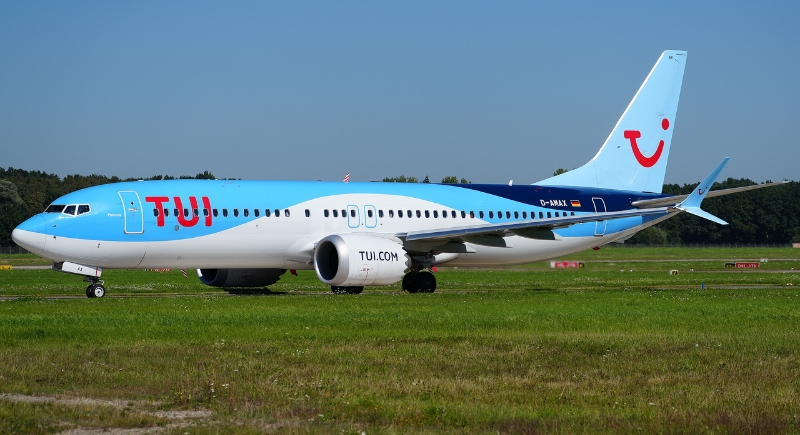
Credit: Wikimedia Commons
With seat widths averaging 17 inches and minimal pitch, passengers often report tight knees and limited recline. The airline caters to European holidaymakers, so many flights are short—but with long queues, tarmac waits, and tight seats, the discomfort can begin well before takeoff.
Aer Lingus
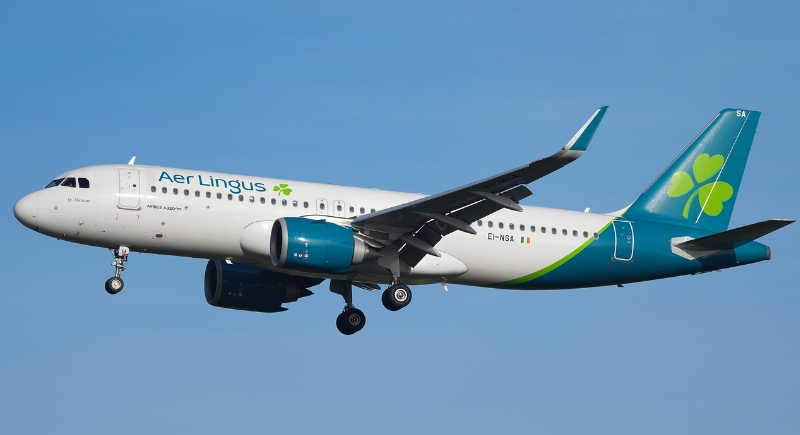
Credit: Wikimedia Commons
Aer Lingus, Ireland’s flag carrier, doesn’t fare well in seat comfort comparisons. Its short-haul economy seats typically measure just 17 inches across. Travelers have often likened the layout to that of a budget airline, which is not what one’d expect from a national carrier.
KLM’s Space Isn’t Sky-High
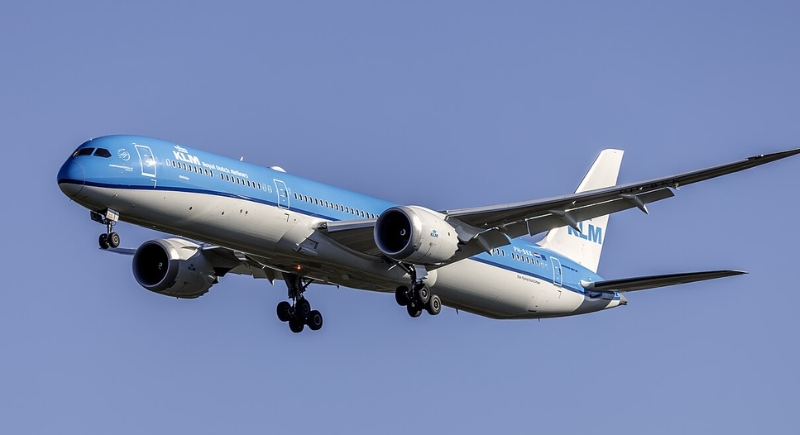
Credit: Wikimedia Commons
KLM’s bright, well‑maintained cabins create a pleasant first impression, but the seating doesn’t leave much wiggle room. Many aircraft have seats with widths of around 17 inches. The onboard service helps soften the experience, although passengers on long‑haul flights occasionally mention feeling boxed in once the meal trays are gone.
Jetstar
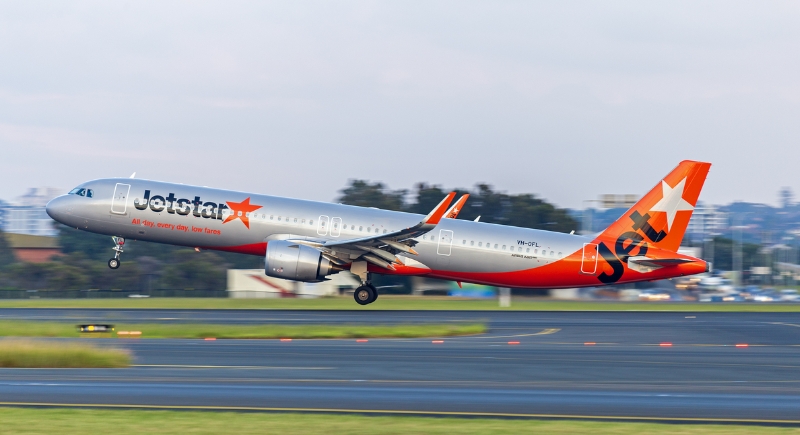
Credit: Wikimedia Commons
Jetstar’s pricing strategy prioritizes affordability over comfort, and its seat size reflects this approach. On domestic routes, seat pitch can shrink to just over 28 inches, with widths hovering around 17.9 inches. The airline uses Airbus A320s for many flights, and with slimline seats, even average-sized travelers might feel cramped.
Vueling
Credit: Wikimedia Commons
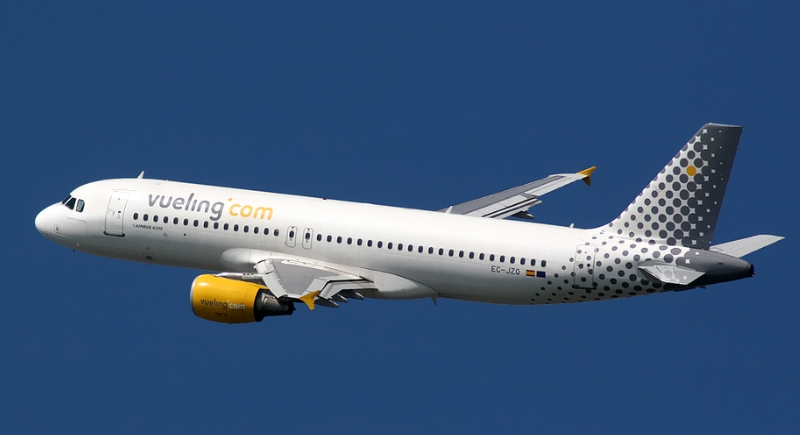
Vueling avoids the tightest measurements but doesn’t move far beyond them. Seats usually measure about 17.5 inches, paired with roughly 29 inches of pitch. The setup works well for quick trips across Spain or into nearby countries, although peak-season flights can quickly reduce the perceived space.
EasyJet
Credit: Wikimedia Commons
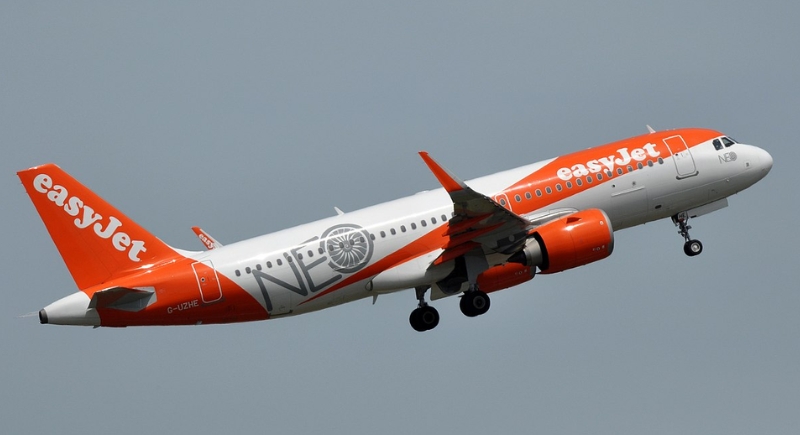
Despite its ultra-low-cost reputation, EasyJet’s Airbus fleet offers about 17.5 to 18 inches in seat width. Pitch sits close to 29 inches across most of the cabin. It’s not spacious, but the slightly wider seat base does help offset the tight legroom on fuller flights.