9 Weird Laws From Around The World
Some laws around the world sound strange when you hear them today. Many were created to deal with specific safety problems, unusual incidents, or cultural habits at the time. Over the years, some of these rules stayed in place even after the original reason faded away. The result is a collection of laws that feel puzzling now but still remain part of the legal record.
A Law About Suspicious Salmon
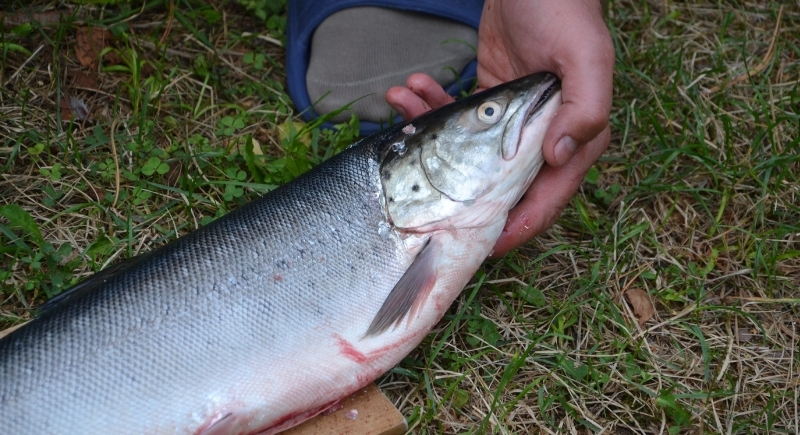
Image via Canva/zorotoo’s Images
The Salmon Act 1986 in England and Wales makes it illegal to handle salmon “under suspicious circumstances.” Section 32 targets illegal fishing and resale, with penalties of up to two years in prison. It sounds odd until you realize it focuses on black-market fishing practices that were common before the law tightened controls.
Coin Payments Have Limits

Image via Getty Images/AndreyPopov
Canada regulates how many coins can be used in a single transaction. Businesses can refuse payment if someone tries to pay large amounts in low-denomination coins. These limits were designed to keep transactions efficient, especially as the country phased out its one-cent coin.
Chewing Gum Is Controlled
Singapore restricts the import and sale of chewing gum, allowing only limited medical use. The rule dates back to efforts to keep public spaces clean and to protect infrastructure such as train doors. Dropping gum in public can still lead to fines, which explains why the policy remains tightly enforced.
Chickens Must Stay In Line

Image via Canva/poco_bw
In Quitman, Georgia, chicken owners are expected to keep their birds off public streets and other people’s property. The rule helps prevent damage and keeps traffic from turning into a farmyard obstacle course. Georgia takes its poultry seriously in other ways too. In Gainesville, the city proudly calls itself the “Poultry Capital of the World,” where fried chicken is treated almost like a local tradition.
Feeding Pigeons Is Banned In Venice
Venice introduced fines in 2008 for feeding pigeons in St. Mark’s Square. Bird droppings were damaging historic buildings, so the city stepped in to protect its architecture. The ban now extends across much of the city and remains actively enforced.
Guinea Pigs Need Company In Switzerland

Image via Getty Images/leningrad1975
Swiss animal welfare laws require that guinea pigs be kept in pairs or groups, and authorities recognize them as social animals that suffer in isolation. Owning just one can be considered neglect, which shows how seriously the country takes animal well-being.
Dogs Must Be Walked In Turin
Turin, Italy, introduced a rule that can fine owners up to €500 if they fail to walk their dogs at least three times a day. The policy shows a broader push for animal welfare across Italian cities, where neglect can lead to penalties.
No Drunk Animal Handling

Image via Canva/zorotoo’s Images
An 1872 law in Scotland makes it illegal to be drunk while in charge of animals such as cows or horses. The wording also covers carriages and even steam engines, reflecting how transportation looked at the time.
Reincarnation Requires Government Approval In China
In 2007, China introduced regulations that require Tibetan Buddhist monks to obtain government approval before reincarnating. The rule, issued by the State Administration for Religious Affairs, was designed to control how religious leadership is recognized, especially in Tibetan Buddhism. It remains one of the most unusual examples of state involvement in spiritual practices, with real political implications behind it.